Founder Interview
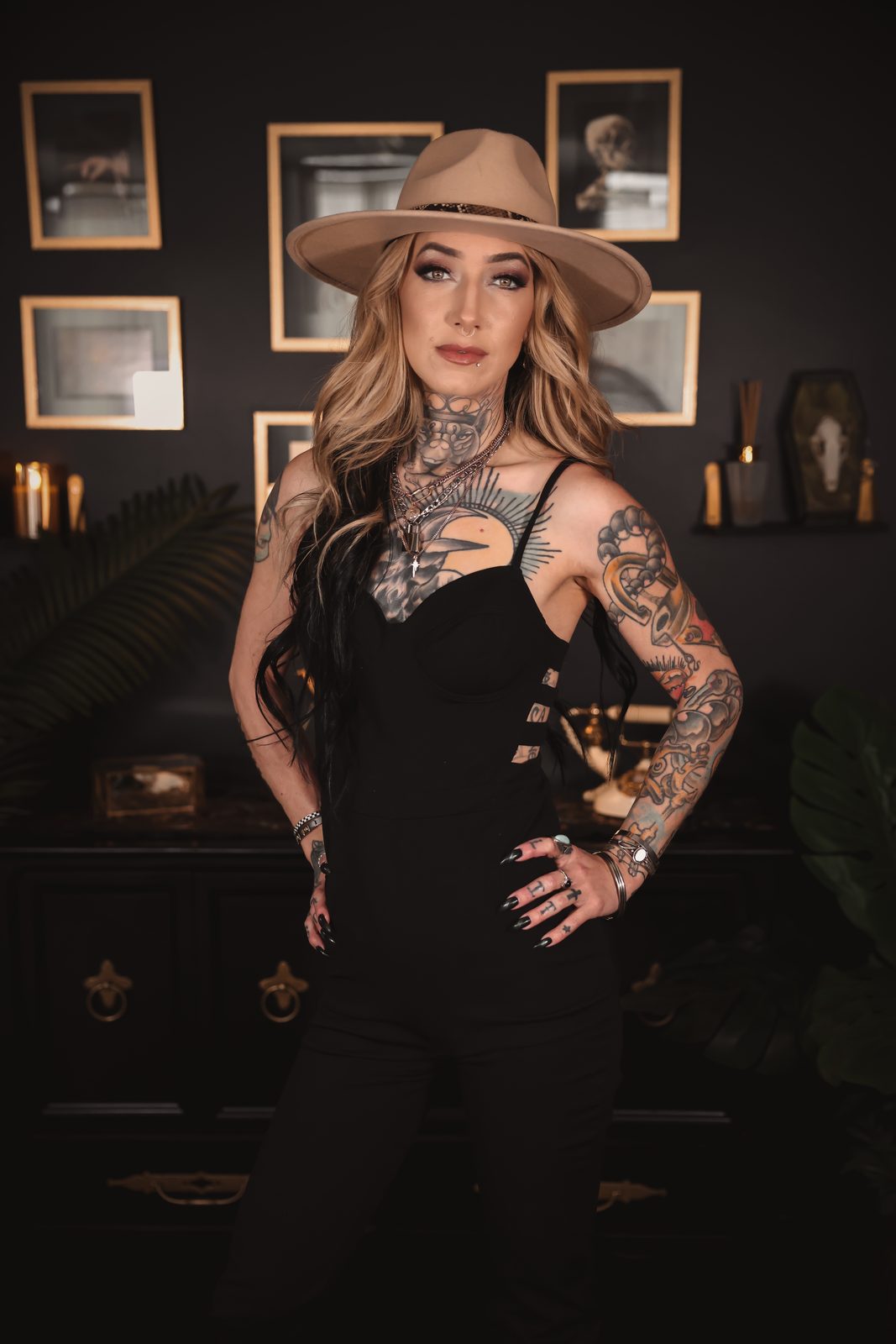
Chelsea Elle
Diligent planning, being willing to learn from failure, and knowing when to persist versus when to pivot are the most helpful foundations for starting a business.
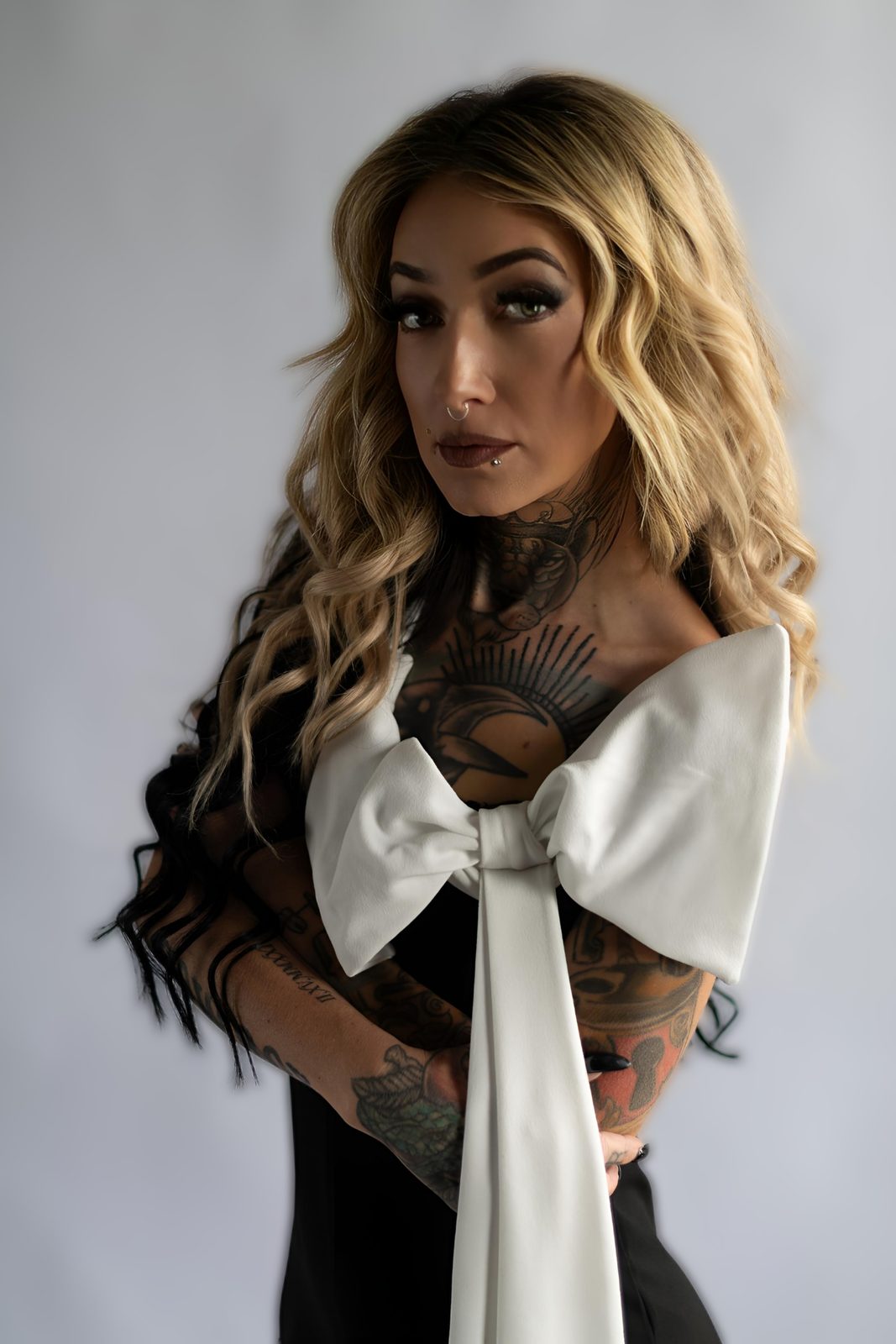
So nice to meet you! First off, what’s your name? Tell our readers a bit about yourself—where you’re from originally and where you live now.
I’m Chelsea Elle, the founder and president of Resilient Provisions Inc., a non-profit organization dedicated to empowering single mothers and children as they navigate trauma and challenging circumstances. Our goal is to help them rebuild their lives through various support programs.
In addition to my philanthropic work, I am a professional hair and makeup artist and a freelance model based in Denver, Colorado. I love expressing creativity through my work, which allows me to connect with diverse individuals and communities.
I also host a podcast called Burdensome Blessings, where I share insights from my journey as a single mother and discuss recovery, somatic therapies, and trauma-informed healing. My experiences growing up in a small mountain town have shaped who I am today, and I’m passionate about using my platform to inspire and support others. While I’m now primarily based in Denver, I remain deeply connected to my roots and the values instilled in me by my hometown community.
Tell us one thing you love about where you live now.
One thing I absolutely love about living in Denver is the diversity and constant sense of excitement in everyday life. The city brings together so many different cultures, creative scenes, and ways of living, from its vibrant neighborhoods to its rich mix of arts, dining, and outdoor experiences. I genuinely enjoy feeling like a small fish in a big bowl here—there is always something new to see, learn, and explore, and so many unique individuals to cross paths with. That endless variety of people and experiences keeps me inspired and reminds me how much beauty there is in a city where so many different stories are being lived side by side.
Tell us a little more about what your company does and how it started. How does it help your customers?
Resilient Provisions Inc. is a compassionate non-profit based in Aurora, Colorado, that walks alongside families and survivors as they rebuild their lives after domestic violence and trauma.
What Resilient Provisions Inc. Does
Founded and led by Executive Director Chelsea Elle, Resilient Provisions focuses on helping families move from merely surviving to truly thriving by meeting both practical and emotional needs.
Material Support & Sustainability
Resilient Provisions provides essential material necessities to families who are starting over—things like clothing, household items, and other everyday basics that help make a new beginning feel safer and more stable. This tangible support is paired with a focus on sustainability, keeping usable items out of landfills by thoughtfully redistributing donations where they are needed most.
Community Resources & Advocacy
Beyond physical provisions, the organization is deeply committed to advocacy and community care. Resilient Provisions helps bridge the gap for survivors by connecting them with local services, mental health support, and dedicated legal or personal advocates. The goal is to make sure that when someone chooses to leave a harmful situation, they are not doing it alone, but with a network of resources behind them.
Upcycling & Animal Support
The organization also prioritizes environmental and community responsibility through upcycling. Usable items that might otherwise be discarded are redirected to other organizations and causes, supporting broader community needs and promoting a culture of care and stewardship.
How It Started
Resilient Provisions grew out of both lived experience and a deep desire to change the way survivors are supported. After witnessing firsthand how difficult it can be to rebuild after domestic violence and trauma, Chelsea recognized that many families need more than emergency help—they need ongoing, compassionate support, practical resources, and real connection to community.
What began as a passion to fill those gaps evolved into a structured non-profit that could consistently provide essentials, guidance, and advocacy. The organization’s programs are designed with trauma-informed awareness, honoring the courage it takes to start over and centering dignity in every interaction.
How It Helps the People It Serves
Resilient Provisions helps its community in several key ways:
- By supplying material necessities so families can focus on healing rather than scrambling for basics
- By connecting survivors with trusted local resources, mental health professionals, and advocates who understand trauma
- By fostering long-term stability through sustainable practices and ongoing support, not just one-time aid
- By creating a sense of belonging and hope, reminding survivors that they are seen, valued, and deserving of a life beyond survival
Through this combination of practical assistance, advocacy, and community connection, Resilient Provisions Inc. aims to transform moments of crisis into pathways toward resilience, restoration, and a renewed sense of possibility.
If someone wants to start a business, what advice would you give them?
Diligent planning, being willing to learn from failure, and knowing when to persist versus when to pivot are the most helpful foundations for starting a business.
When you’re just beginning, treat planning as non-negotiable: get your ideas out of your head and onto paper, sketch a simple business plan, and make sure you understand your costs, pricing, and what success looks like for you. At the same time, accept that failure is inevitable in some form; each setback is information, and the entrepreneurs who become strong and successful are the ones who keep adjusting, listening to feedback, and improving rather than quitting at the first obstacle. Start small, test your idea with real customers, and be honest with yourself about the results—that’s knowing when to “hold ’em” and double down on what’s working, and when to “fold ’em” and walk away or pivot from what clearly isn’t. Finally, protect your energy and your future by staying consistent, keeping a close eye on your numbers, and asking for help—from mentors, peers, or professionals—so you don’t try to carry every role alone and burn out before your vision has a chance to grow.
Where do you see your company in the future?
In the future, I see Resilient Provisions Inc. growing into a full-fledged community hub where families can heal, learn, and rebuild together.
Vision for the Future
I’m currently working on building out concepts for a dedicated community center that offers classes, workshops, and spaces designed for genuine connection. This will be a place where parents can reintegrate into their lives with support, using healing modalities that focus on embodiment and interpersonal neurobiology, including approaches like the NARM method. The goal is to help establish new, healthier life patterns through nervous system regulation, body-based practices, and relational healing.
At the same time, I envision programming specifically for children, helping them navigate their “new normal” after trauma. This includes guidance in transitioning to healthier lifestyles, support around emotional adjustments, and tools for overcoming challenges in a safe, affirming environment. Somatic therapies and therapeutic groups will be a core part of this future—creating community connection while offering practical, trauma-informed resources so families can move from surviving to truly thriving together.
What is the biggest misconception about your industry?
The biggest misconception about my industry is the belief that domestic violence is well understood and adequately handled by our systems, when in reality survivors—especially single mothers and their children—are often left deeply unsupported and expected to simply “move on” after life-altering trauma.
Biggest Misconception
The misconception is that if someone leaves an abusive situation, the worst is over and the systems in place—legal, family court, social services—will protect them and their children. In practice, victims frequently encounter disbelief, minimization of their experience, and processes that prioritize formal procedure over genuine safety and healing.
Domestic violence itself is widely misunderstood. People tend to picture isolated incidents of physical harm, rather than long-term patterns of coercive control, psychological abuse, sexual violence, financial control, and threats that erode a person’s sense of reality and security over time. Survivors are then judged for their reactions—anxiety, depression, PTSD, dissociation, difficulty functioning—rather than these being recognized as normal responses to prolonged traumatic crisis.
The Reality Survivors Face
Single mothers and their children often live through unimaginable tragedies: years of abuse, traumatic separations, sudden homelessness, financial devastation, and ongoing harassment or legal pressure from the abuser. Yet they are expected to move forward in life as if their entire world has not been ruptured, keeping jobs, caring for children, and navigating complex court processes with limited support and almost no margin for error.
Family court systems, in particular, are frequently unsafe and confusing places for survivors. Research shows that courts often discount or discredit abuse allegations, award shared custody even in the presence of documented intimate partner violence, and sometimes transfer custody to the abusive parent despite confirmed findings of harm. Because these proceedings are civil, many parents lack guaranteed legal representation, while funding and fee structures can create incentives that are not aligned with child safety or survivor protection.
On top of this, survivors face stigma and disbelief—from professionals, communities, and even friends or family—which deepens their trauma and makes it harder to access consistent support, secure housing, maintain employment, or rebuild healthy relationships.
What Needs to Change
What is most urgently needed is far more education and awareness about the realities of domestic violence and trauma—how it affects the body, mind, nervous system, parenting, and a child’s development over the long term. Survivors and their children require trauma-informed services, not just emergency interventions: stable housing, mental health care, legal advocacy, childcare, and community spaces where they are believed and supported as they heal.
Equally important is meaningful accountability and consequential action for perpetrators. Current responses—restraining orders, brief interventions, or fragmented services—do not reliably lead to lasting behavior change or the end of coercive control. When courts, agencies, and communities fail to hold abusers accountable, the burden of “resilience” is silently shifted onto survivors and their children, who are told to rebuild while the source of harm remains under-addressed.
My work exists because this misconception—that the system is already working—keeps too many families suffering in silence. The truth is that survivors need comprehensive, compassionate, and trauma-informed support, and our legal and community structures must evolve to center their safety, dignity, and long-term healing.
What has been one of your biggest struggles building your business, and how did you deal with it?
One of my biggest struggles in building my business has been navigating the realities of running a nonprofit in such a heavy, emotionally charged space. Funding is always a challenge—especially when you’re serving vulnerable communities and offering trauma-informed support. There’s this constant tension between the growing needs of the people we serve and the resources available to meet those needs, and learning how to advocate for sustainable funding while staying true to our mission has been a huge learning curve.
On top of that, the emotional toll of this work is very real. Hearing story after story of domestic violence, trauma, and survival can weigh on you in ways that are hard to put into words. To deal with it, I’ve had to become intentional about boundaries, self-care, and support. That’s looked like leaning into my own healing practices, somatic work, therapy, supervision, and staying connected to a community of people who understand the weight of this work. It’s also meant creating internal rhythms—time to rest, time to process, and time to celebrate the wins—so I can continue to show up for others without losing myself in the process.
Where can our readers learn more about you and your company?