Founder Interview
Shera Mercer
Be true to your values. Don't be performative. If being eco-conscious is only a buzzword to you, don't stick it in your marketing to try to get sales! First, the people who care…
So nice to meet you! First off, what’s your name? Tell our readers a bit about yourself—where you’re from originally and where you live now.
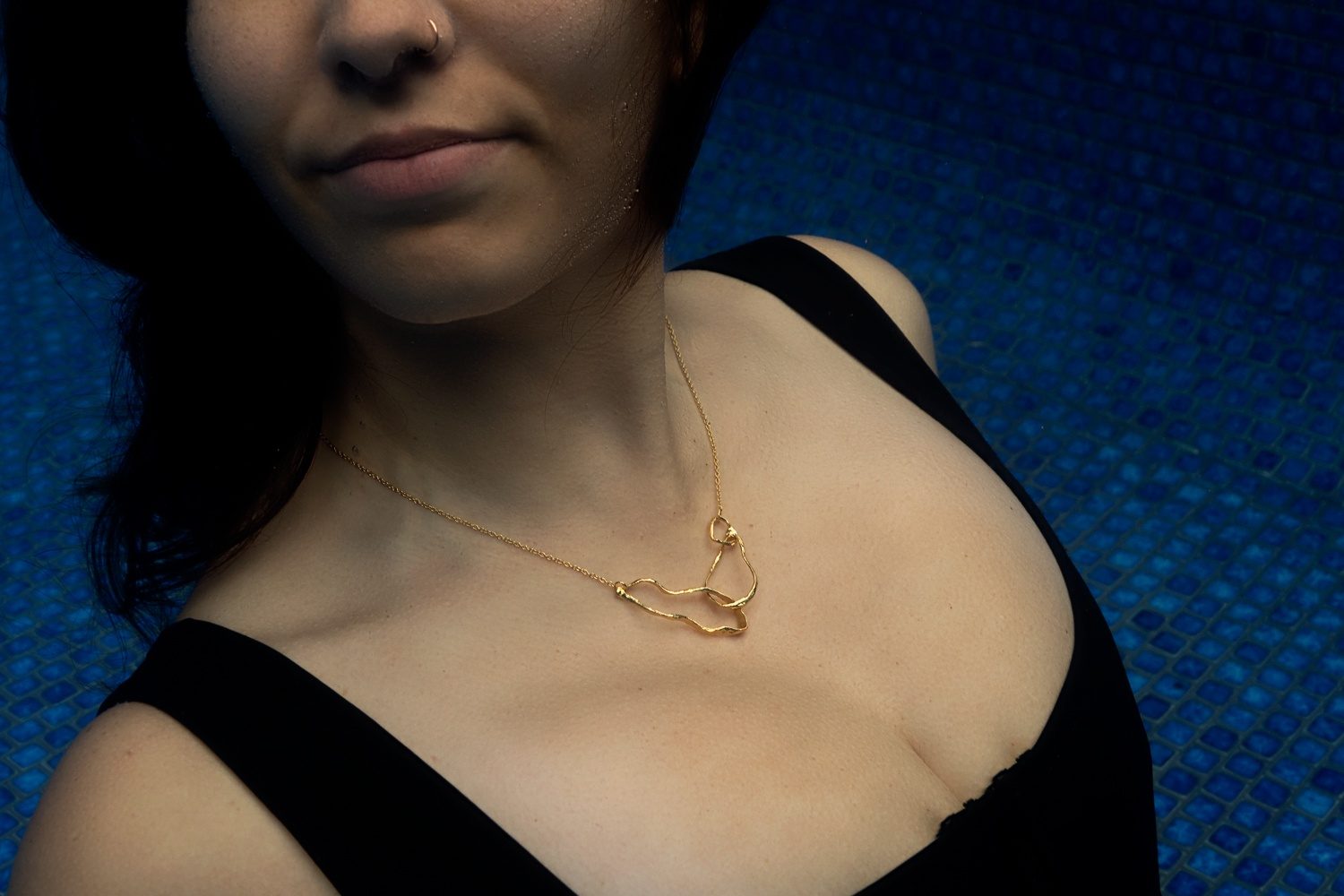
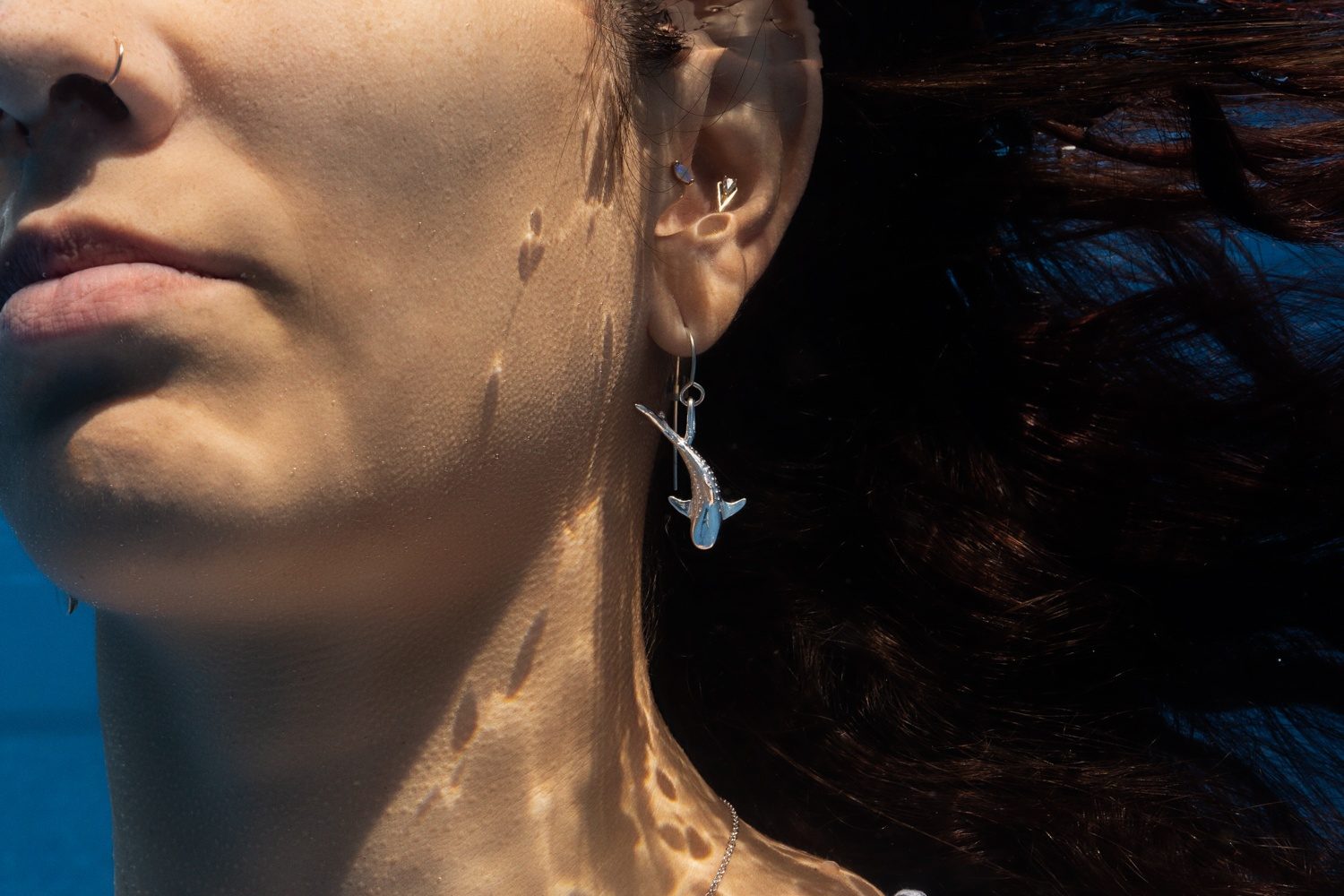
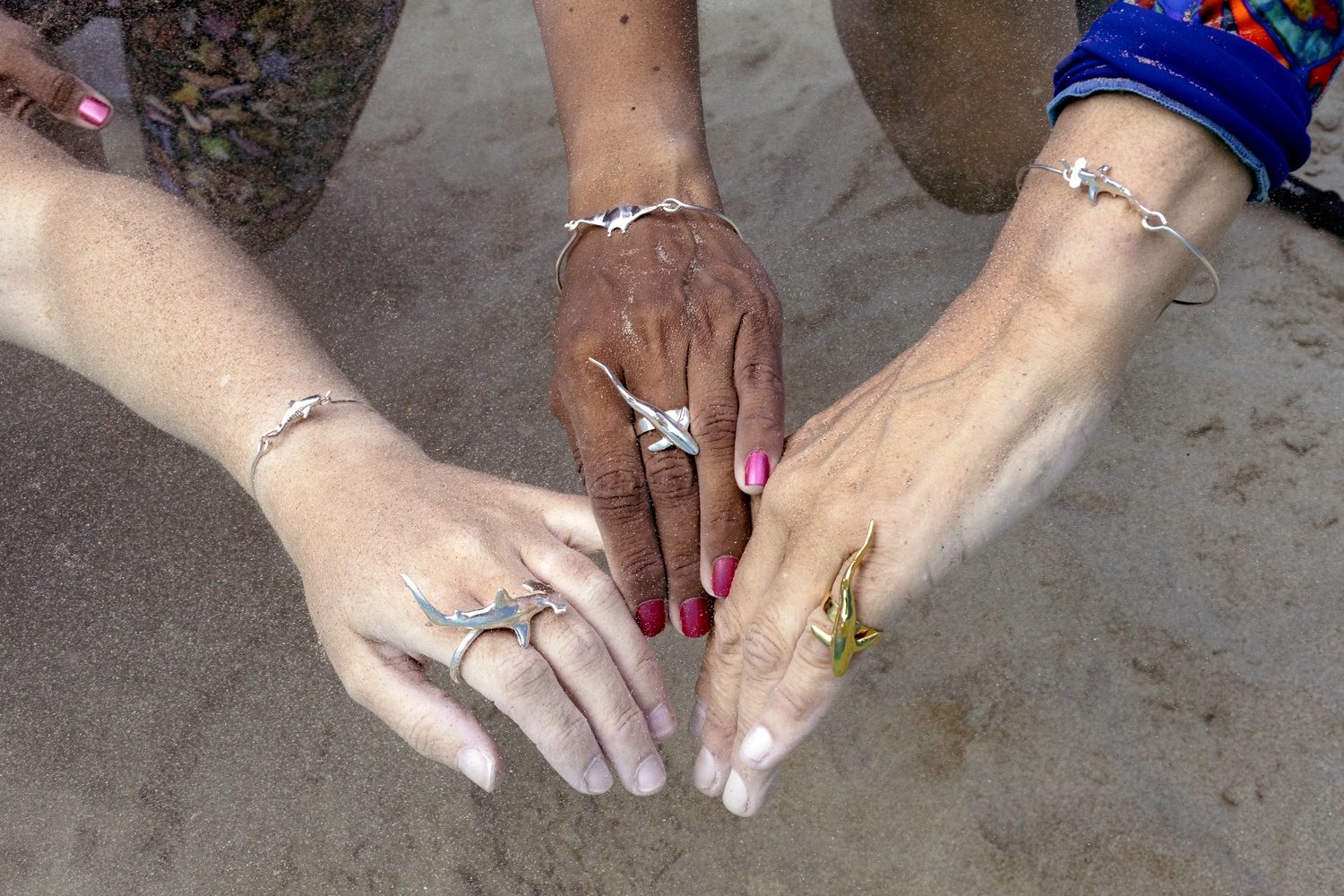
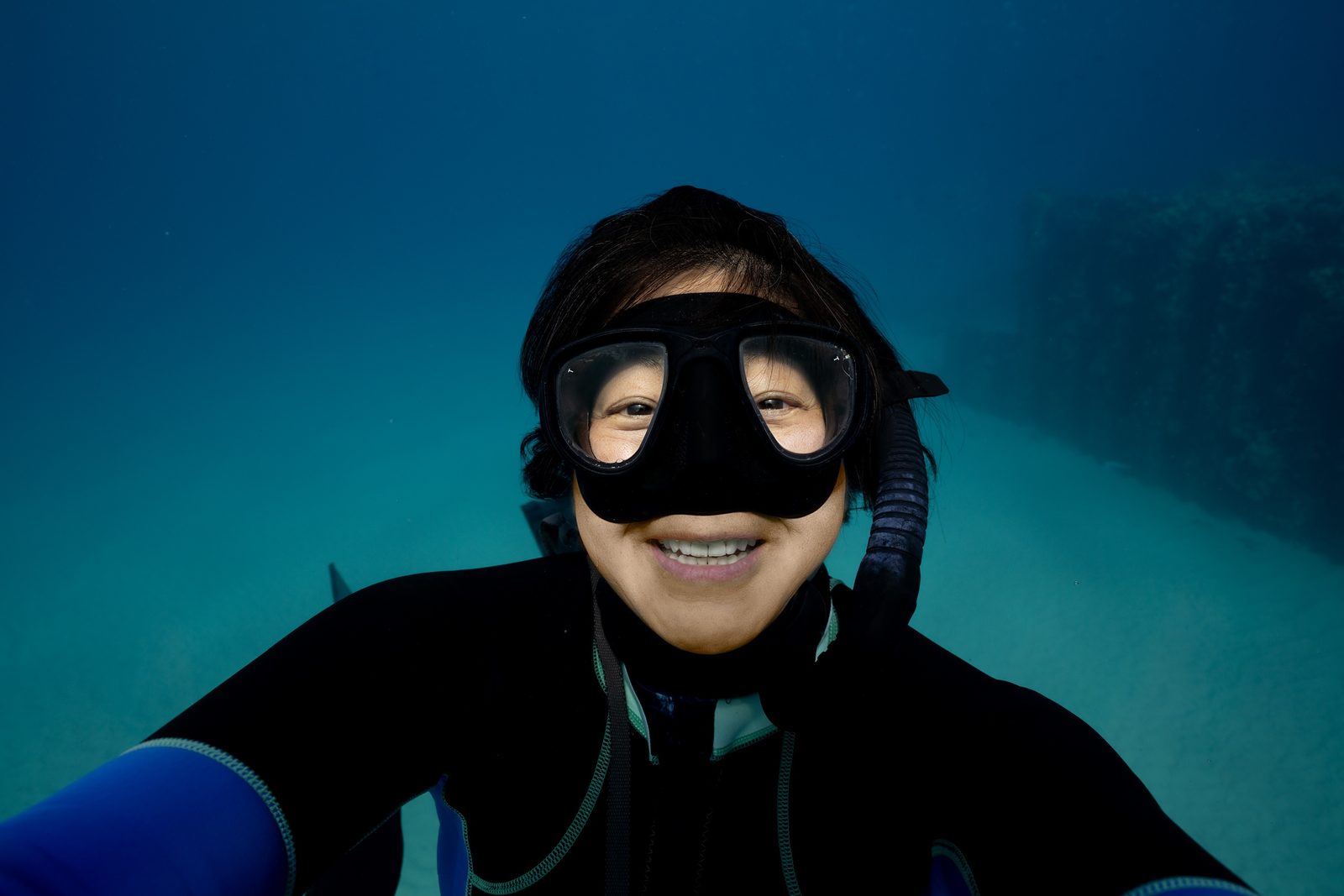
I'm Shera Mercer, originally from Honolulu, Hawaii. After leaving for college and work, I spent many years in business consulting in the US, Europe and Japan. To escape, I spent most of my free time underwater. More recently, I returned to Hawaii, and I'm currently based in Honolulu, where I'm an underwater photographer and jewelry maker, creating hand-sculpted and cast marine-life jewelry, based on my photography, that celebrates endangered and beloved marine life.
Tell us one thing you love about where you live now.
The people and the ocean! Sounds like two things, but in Hawaii it's all intertwined.
Tell us a little more about what your company does and how it started. How does it help your customers?
Understanding that there were no Hawaii positions in the kind of international business consulting I used to do, I wanted to start a company that gave back to the ocean. It was also a chance to create a company with my own values: using eco-conscious processes and packaging, having domestic suppliers and labor, and making things the old, slow way, by hand. I spent decades working with high tech and government policies, and this was a beautiful contrast. Plus, in an increasingly AI-forward world, it's refreshing to have things that are original designs.
The ocean helped me in so many ways while I was consulting in new and foreign cities. It was where I went to recharge and think things through. Underwater there was no clutter, no shouting or deadlines. Just the primal blue and learning how to thrive in it. Not only were there endless things to discover, there was also a balance and calm that was missing from corporate work. So now I try to bring some of that beauty and grace to what we create at ʻAlohi Kai. I want to give back to what the ocean gave me for so long, so we support ocean conservation, eliminate single-use plastics, educate where we can, live our values as much as possible (for example, by doing ocean cleanups every week and making dive weights from fishing lead we pick up) and support other organizations with the same values.
As a consumer, I used to look for jewelry that made me feel the way the ocean did, but back then I could only find cartoonish sharks made to look like they were attacking. This is not what real sharks look like! Underwater, they have beautiful, sinuous lines and powerful bodies, and they are treated with reverence and respect by most ocean cultures.
As an ocean advocate, I couldn't bring myself to wear something that fed misinformation about sharks or any marine wildlife. I wanted to do better. So we make things that respect and celebrate wildlife, share information about each with our customers and, where possible, contribute what we can to their safety.
But what about our customers? We love our customers. They love the ocean, and many are working toward the same goals. And of course they are what makes our work possible. I design to make ocean lovers feel seen, and to help them show others what the wild ocean looks like. And since advocates come in all shapes and sizes, we welcome jewelry requests in any size, from a tiny 5-year-old's finger to big, burly tech divers. I design most of our work to accommodate bigger or smaller sizes. The ocean is for everyone; why shouldn't wearing it be the same?
If someone wants to start a business, what advice would you give them?
Be true to your values. Don't be performative. If being eco-conscious is only a buzzword to you, don't stick it in your marketing to try to get sales! First, the people who care will see through it. But also, eco-conscious businesses work really, really hard to be worthy of the title. So if you haven't done any thinking about it or changed any processes or purchasing around it, it's probably not a good description for you. Find what you're good at and what you believe in and use that instead. Same with social or political causes. Don't jump on the #imjanedoe movement because it's trending; people will see through that too, and it harms your reputation. Support it if you feel it deeply. This stuff really matters to people. Just look for what is real to you and write about that.
What is one piece of feedback from a happy customer or client that you won't forget?
A woman rushed up to my booth with a look of joy and exultation that was a little confusing, until she told me she’d been saving up for four years to buy one of my sharks, and THIS WAS THAT DAY. I’ve had a few customers do this, and they make my heart so happy, because it ticks all my boxes. If they love it, they won't throw it away, so there is less waste. It has meaning for them and they feel seen, so they cherish it as part of their identity, and because of that they will likely tell others about why sharks are such fascinating, amazing creatures worthy of saving. And of course they’ve chosen something created from a reusable metal instead of plastics or resin, which harm marine life and people alike. Wins all around!
What is the biggest misconception about your industry?
Which industry? Jewelry is a difficult one, because you can call a simple wire-wrapped bead "jewelry," but you can also call a pavé diamond bracelet "jewelry" as well. Both have their place, and no shade on either, but there is a lot of room for education and confusion between the two. More specifically, there is misunderstanding about time and costs. A lot of people don't understand how expensive the raw materials and equipment are to make this kind of jewelry, not to mention the experience and skills required. We get compared with inexpensive mass-produced jewelry all the time, made with base metals or entirely on a production line. If you look closer, there is a big difference in craftsmanship and in materials: look at the finishing, the amount of metal, the quality of the carving. For me it's important to have something that will last a long time, that’s made from materials that are reusable or biodegradable, like silver, leather or cotton. They last longer and cost more than plastic, but they do no harm to the environment, so to me it feels like a win. I never want to contribute to the vast amount of plastics and microplastics we pull out of the ocean.
And of course craftsmanship takes time and skill. People sometimes expect a custom design to cost less than the regular item. They don't mean any insult; they just don't understand what is involved. In what I do, people often ask if I can "just make it 50% smaller." Sadly, no, since I carve by hand and am not a printer you can set to 50%! So there is going to be a cost for a new carving, and people just don't realize the experience and time it takes, and how much it costs me as the maker to make it.
There are a lot of misconceptions about underwater photography as well. I had someone state, “So really, there’s not much difference between our cameras,” comparing a point-and-shoot in a housing to my mirrorless camera and underwater housing. Not strictly accurate; there’s a lot, but it's hard to understand unless you are in photography. For most people a point-and-shoot or GoPro is perfect to record your vacation or snaps of friends. But if you want to print something for your walls, or have a well-lit photo of a whale or shark, you need different equipment. While it may look simple to take an underwater photo, aside from the big price tag invested in equipment and the necessary experience with photography, there is also a lot to do with understanding underwater conditions, having competent buoyancy for scuba or a decent breath hold for freediving, and understanding your underwater equipment, not to mention wildlife behavior and conservation issues. Editing and lighting underwater images is also a different skill set from land.
What has been one of your biggest struggles building your business, and how did you deal with it?
You ask that like it's in the past tense! Biggest struggle: getting in front of the right people is hard. In search of that, realising I was in a niche business was important. You can ask all the right questions, but the received wisdom is not for you; it's for what is general, popular, common. I followed a lot of terrible, well-intentioned advice at the start, since I was coming from entirely different industries and didn't know any better.
Any shoutouts you want to make?
Two great ones are Jillian Morris-Brake of Sharks4Kids, doing amazing work creating the next generation of ocean advocates, and Autumn and everyone at Stream2Sea, sunscreen and body care that isn't just 'not bad' for the ocean, but sunscreen that actually helps corals thrive. Both are change makers I admire.
Where can our readers learn more about you and your company?
Come to alohikai.com or find me on Instagram @alohikaijewelry.