Founder Interview
Bruce Campbell
Like most entrepreneurs, be prepared to work hard and differentiate yourself from others in the industry.
So nice to meet you! First off, what’s your name? Tell our readers a bit about yourself—where you’re from originally and where you live now.
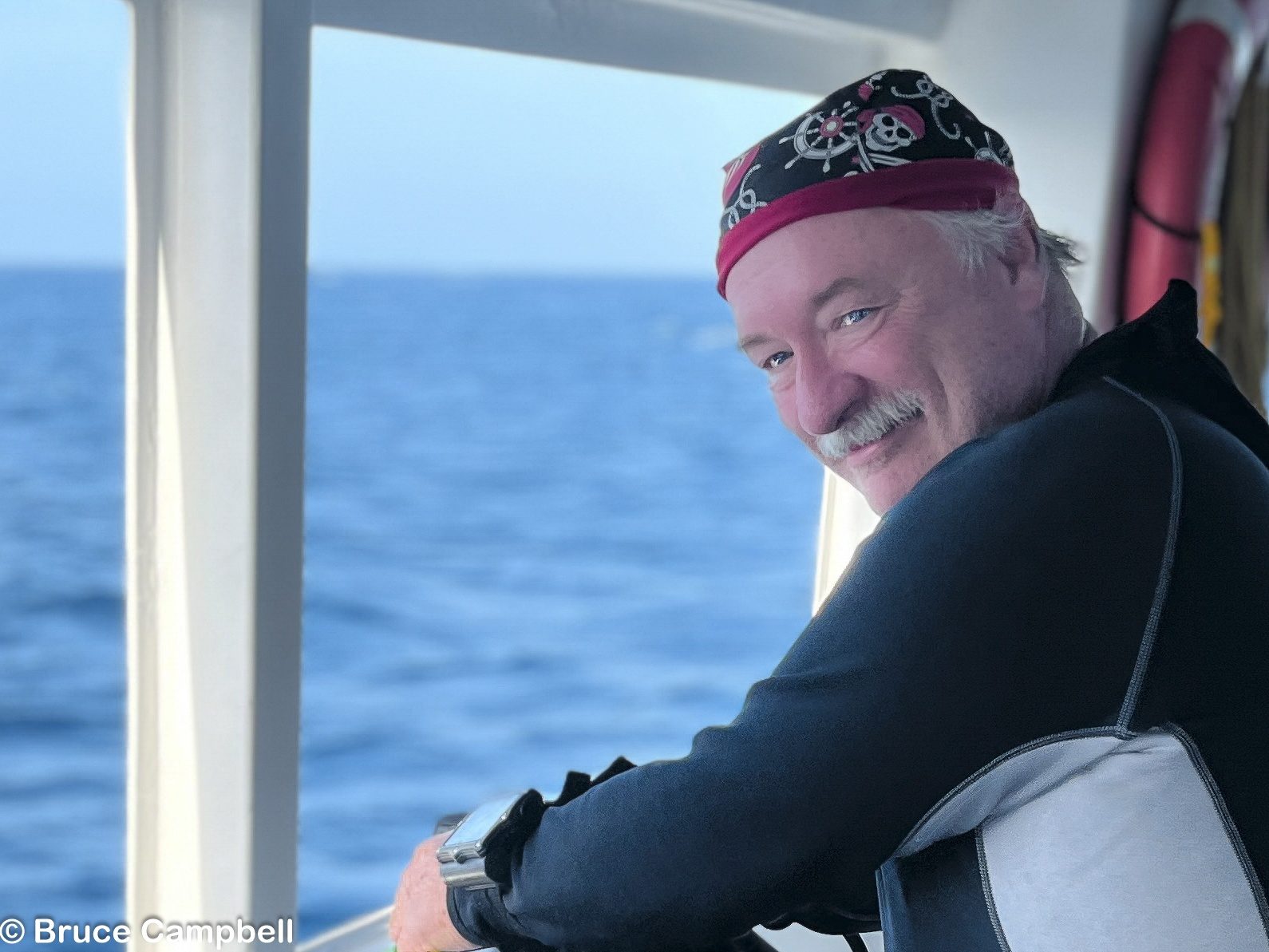
Bruce Campbell. I am a fine art underwater photographer. I am originally from the Cleveland, Ohio area, but moved around a lot and ultimately settled in Dallas, Texas.
Tell us one thing you love about where you live now.
The airport, so I can fly to the various parts of the world without too much difficulty.
Tell us a little more about what your company does and how it started. How does it help your customers?
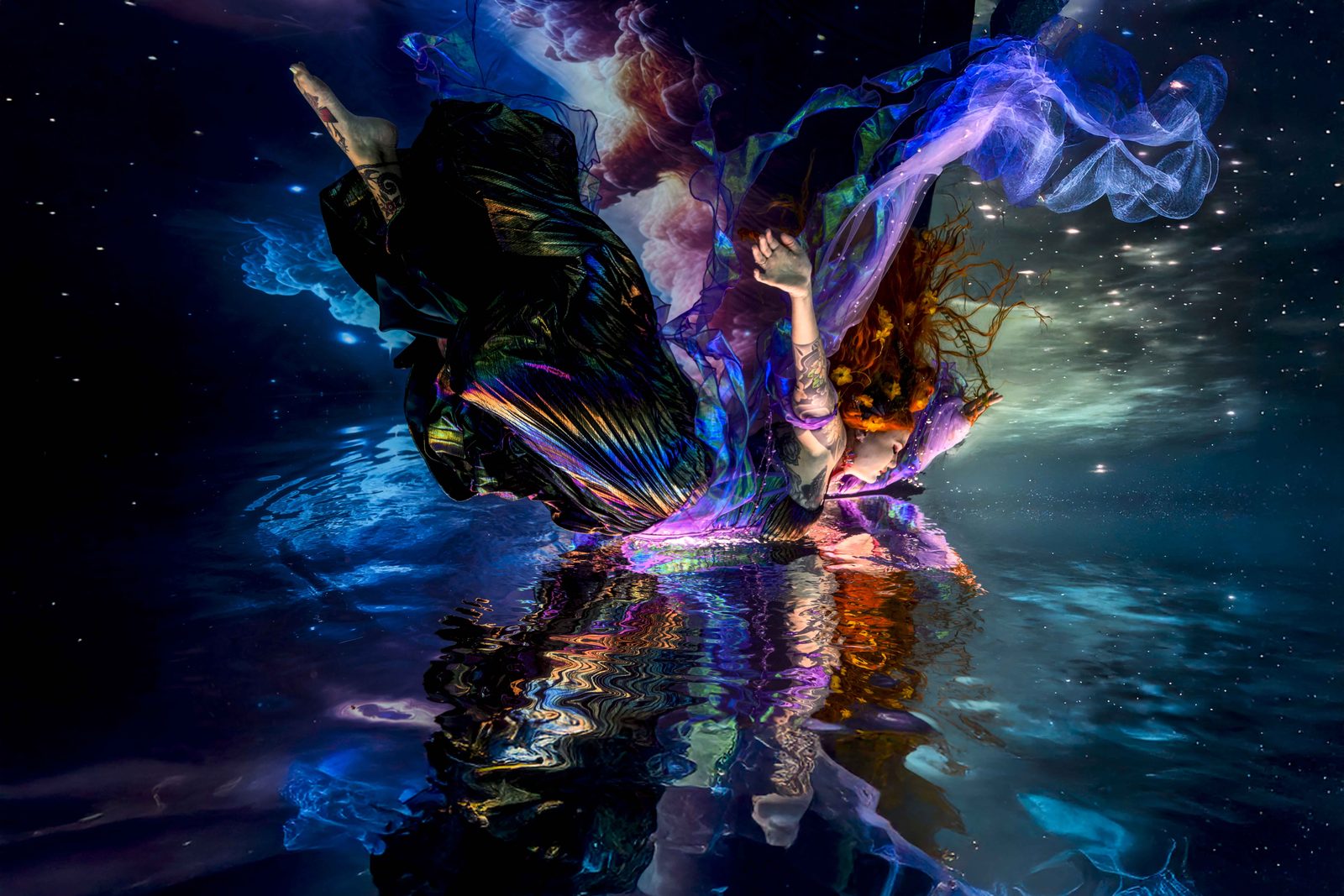
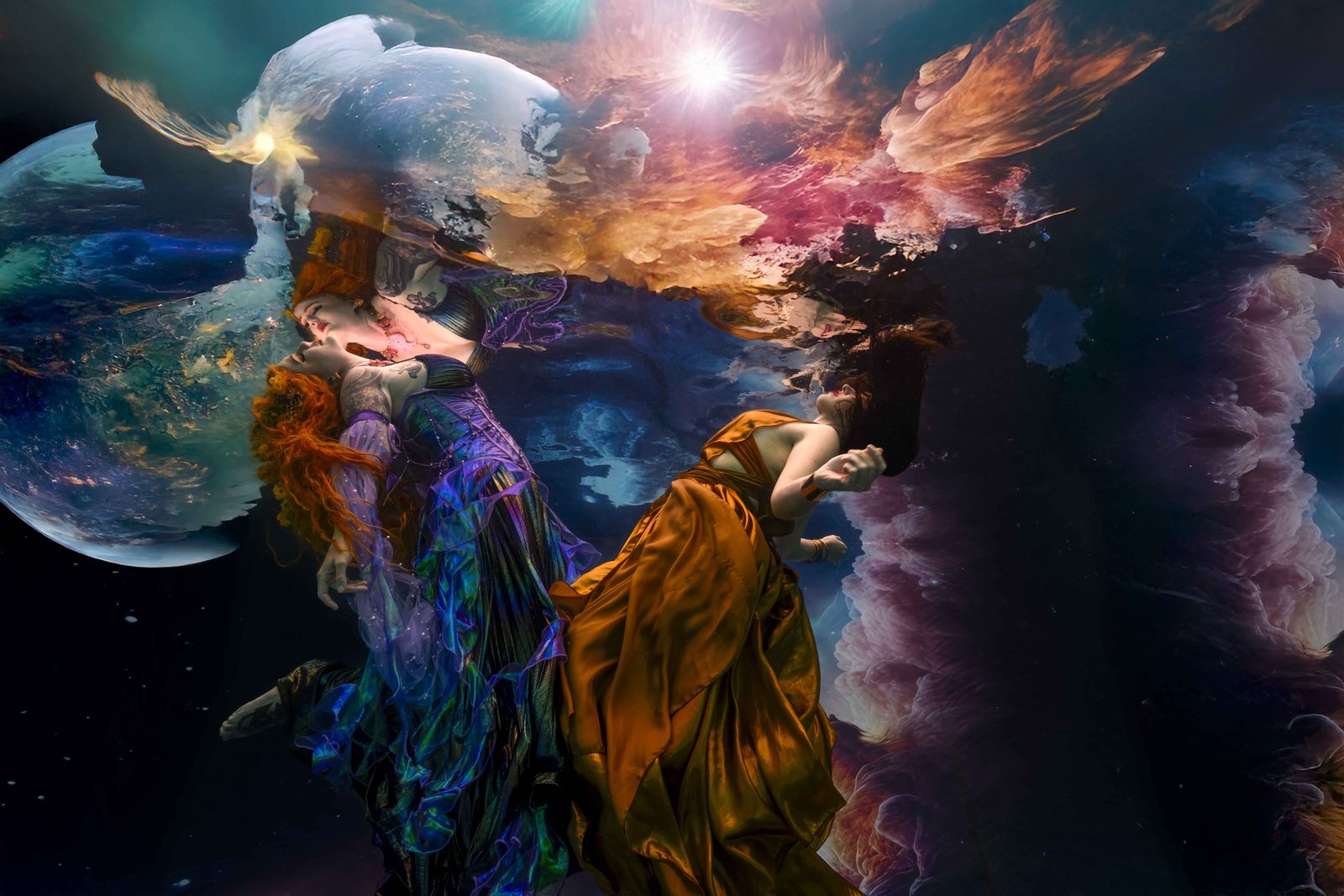
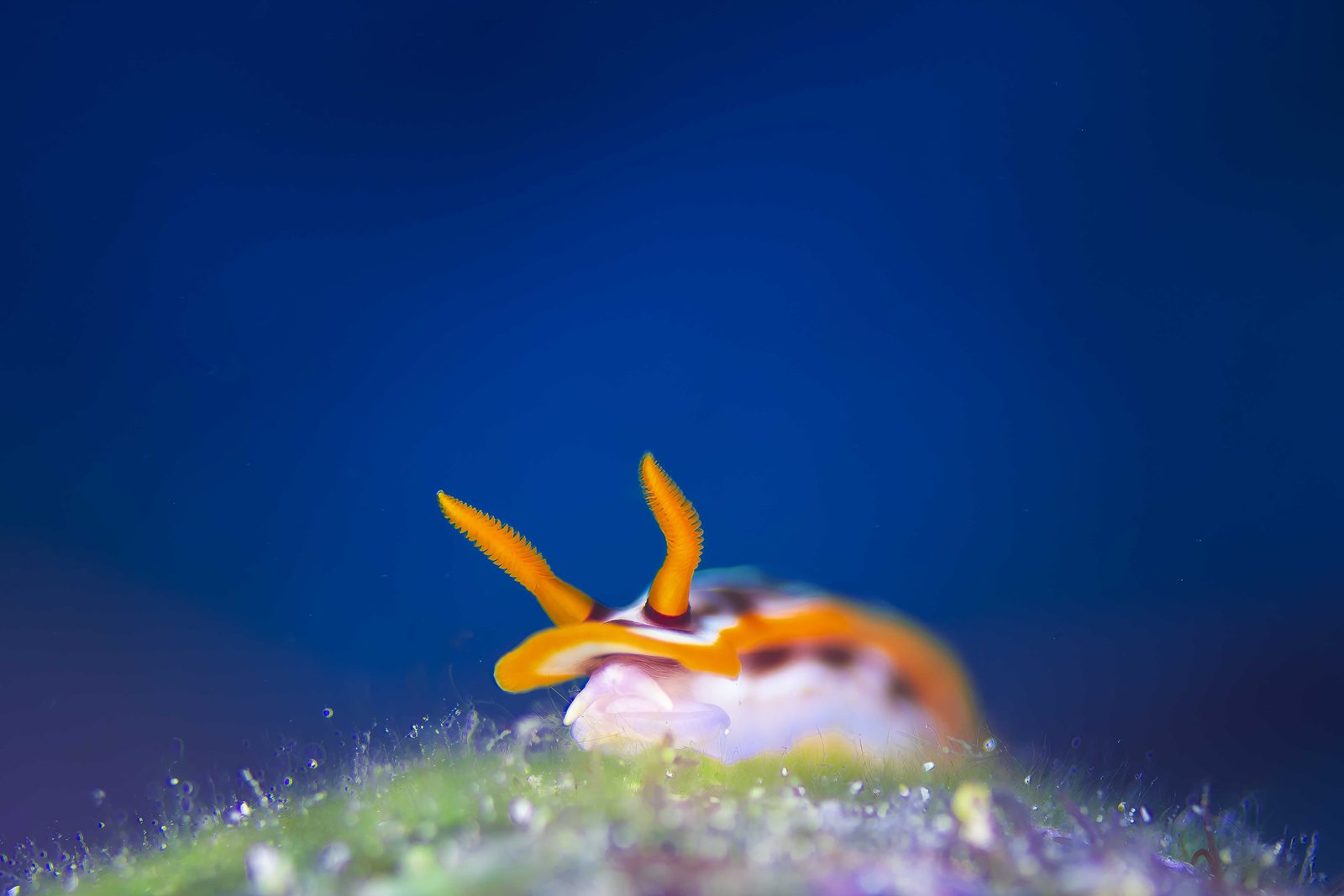
Through my company, I create fine art underwater images ranging from portraiture to marine life and reef scapes shot around the world.
If someone wants to start a business, what advice would you give them?
Like most entrepreneurs, be prepared to work hard and differentiate yourself from others in the industry.
What is one piece of feedback from a happy customer or client that you won't forget?
“Your image touched me in a way I did not know was possible.”
Where do you see your company in the future?
I, along with the company, will continue to explore the underwater world and will endeavor to bring back images that connect the underwater world with other parts of the human experience.
What is the biggest misconception about your industry?
That underwater photography is only useful in documenting events or scenes. To the contrary, fine art underwater photography can make bigger points like strength, resilience and clarity, as well as other human characteristics. When done well, the images are really all about the story and the connection that they can create with an audience.
What has been one of your biggest struggles building your business, and how did you deal with it?
Achieving a balance of all of the competing demands associated with the creation of art is probably the biggest struggle. There is the technical side, whose complexity is increased by the effect of water, currents, particulate and the various other things that can cause a change in plans for creating images underwater. Communication underwater is very limited.
From the artistic side, there are things like: will we have enough time for the fabric to settle on a single breath hold if we are working on a portraiture-type image? Can we create the image within the limits of what can be done safely? Of course, in the ocean, with the creatures that we hope to create images of, will they show up while we are on site, or will we come home empty-handed? Will another diver swim through our shot so what we envisioned is ruined? Will the 45 pounds of underwater camera equipment withstand the challenges of the sea, or will we lose thousands of dollars’ worth of equipment that is irreplaceable at the sites we visit to create images?
What was your favorite music artist and athlete growing up?
There were several trumpet players, Maynard Ferguson and Bill Chase, who influenced part of my musical journey. Athletically, Mark Spitz was a bit of a hero.
Where can our readers learn more about you and your company?