Founder Interview
Katie Tschida
Since you asked for the best advice for someone starting a business, here is what I always tell new founders looking to get started. I know it sounds a lot like what others say,…
So nice to meet you! First off, what’s your name? Tell our readers a bit about yourself—where you’re from originally and where you live now.
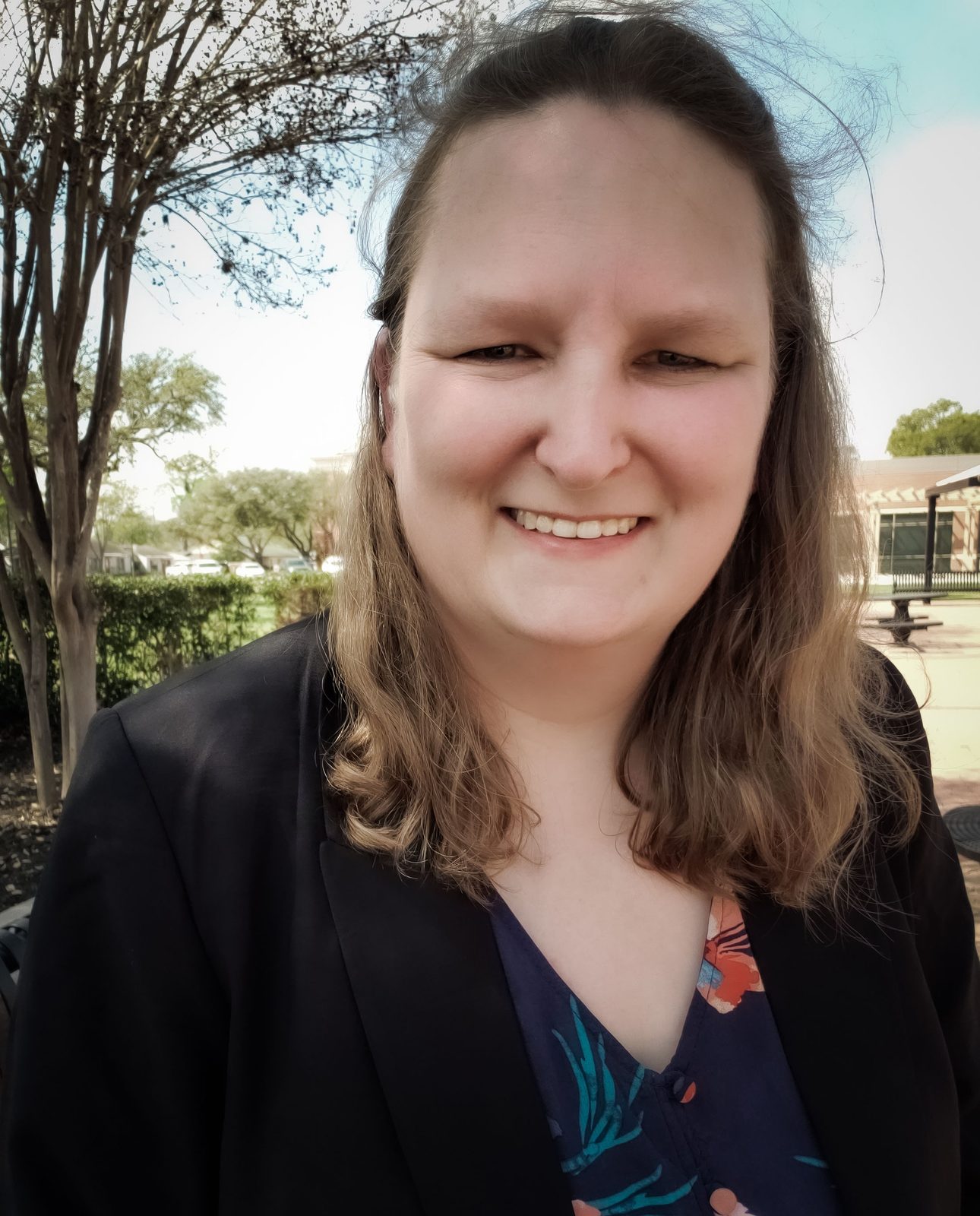
Hi, I am Katie, the founder of KRT Virtual Assistant! I grew up around Amarillo, Texas, but these days I am proudly based out of Houston, where I live with my family. I am an Army veteran, a Google Workspace Specialist, and someone deeply passionate about curing digital chaos. My core philosophy is to always do the right thing, even when no one is looking. Today, I bring that exact discipline into my work as a Google Workspace Specialist and the founder of KRT Virtual Assistant. I step into overwhelming tech environments, do the heavy lifting, and build serene digital systems so my clients can finally breathe again.
Tell us one thing you love about where you live now.
One of the things I love most about living in Houston is the incredible entrepreneurial spirit and resilience of the community. It is a massive, diverse city, but people truly support one another. As a business owner, being surrounded by that kind of driven, hardworking energy is incredibly motivating. Plus, it is a fantastic place to raise a family. You get endless opportunities and a vibrant culture, all wrapped up in genuine Texas hospitality.
Tell us a little more about what your company does and how it started. How does it help your customers?
My company, KRT Virtual Assistant, specializes in transforming chaotic tech stacks into serene, highly functional systems. I am a Google Workspace Specialist serving two distinct needs. First, I help scaling marketing agencies build secure team architectures. Second, I offer zero-judgment digital decluttering for people navigating mental health challenges or severe burnout.
I launched the business six years ago, bringing the discipline I learned in the Army into the entrepreneurial world. It took time and a lot of resilience to find my exact footing. After navigating a long season of financial stress and trying to force my business into cookie-cutter molds, I finally embraced my unique combination of technical expertise and deep empathy.
Today, my company helps customers by completely lifting that weight. Through my 1-Hour SOS calls, Done-in-a-Day intensives, and custom team architectures, I step in and do the heavy technical lifting. I give my clients a clean slate so they can reclaim their billable hours, scale with confidence, and finally find peace of mind.
If someone wants to start a business, what advice would you give them?
Since you asked for the best advice for someone starting a business, here is what I always tell new founders looking to get started. I know it sounds a lot like what others say, but it is true:
Solve a specific problem for a specific person: Don't try to be everything to everyone. Find a niche audience with a painful problem, and become the absolute best solution for that specific group.
Nail your messaging early: People do not buy products; they buy better versions of themselves. Your initial focus shouldn't just be on what your product does (the features), but on how it transforms the customer's life (the benefits).
Progress over perfection: Launch before you feel 100% ready. The market will give you the feedback you need to refine your product and your copy. You learn more from a flawed launch than a perfect draft sitting on your hard drive.
Consistency builds trust: From day one, establish a clear brand voice. Whether you are writing a social media post, an email, or a refund policy, sounding like the same reliable entity builds customer loyalty.
What is one piece of feedback from a happy customer or client that you won't forget?
It is so hard to choose just one because every single person I work with holds a special place in my heart. However, the feedback that always stands out the most comes from the clients who tell me I didn't just save them money or billable hours, but I actually gave them their peace of mind back. When a client tells me how incredibly thankful they are because I completely eliminated the massive stress and anxiety they were feeling over a tech issue, that is when I know I am doing exactly what I am meant to do. Hearing that I lifted that heavy mental weight off their shoulders and gave them a clean slate is something I will never forget.
Where do you see your company in the future?
In the future, I see KRT Virtual Assistant becoming the absolute gold standard for digital organization and zero-judgment tech support. As a proud solo founder, my goal is not to build a massive, faceless agency. Instead, I want to deepen my direct impact. I plan to expand the reach of my DIY Google Workspace mini-course so more business owners can build secure, breathable backends on their own time. Most importantly, I want to spearhead a much larger conversation about the intersection of technology and mental health. I want the concept of a 'digital clean slate' to become just as common and accepted as hiring someone to organize your physical home. Ultimately, I see my company continuing to lift that heavy psychological weight off my clients' shoulders so they can scale their businesses and protect their peace of mind.
What is the biggest misconception about your industry?
On the strategic operations side, people often assume that virtual assistants are just here to do basic, low-level admin work like data entry or answering emails. In reality, what I do as a Google Workspace Specialist is high-level digital architecture. I build secure, scalable systems that allow marketing agencies to reclaim their billable hours and grow without their backend collapsing.
On the other hand, when it comes to the digital decluttering side of my business, the absolute biggest misconception is that a messy digital workspace is simply a sign of laziness or poor time management. People assume that if you have 50,000 unread emails, you just need to try harder. In truth, severe digital clutter is a heavy psychological burden. When someone is dealing with burnout, neurodivergence, or mental health challenges, that digital mess causes actual paralysis. The work I do is not just about sorting files and clicking buttons. It is about being a true strategic partner, doing the heavy technical lifting with zero judgment, and restoring a person's peace of mind.
What has been one of your biggest struggles building your business, and how did you deal with it?
My biggest struggle in the early days was investing in the wrong coaching programs and saying yes to clients who simply did not align with my core values. When you are desperate for growth, it is easy to try to force a fit, but that only leads to burnout and wasted capital. I dealt with it by treating those missteps as data. I took all the knowledge I gained from what did not work and used it to build a strict framework for what does work. I created clear boundaries and a concrete plan to identify my ideal clients quickly. Now, I know exactly when to walk away from a bad fit, which gives me the time and energy to serve the right people with total excellence.
What was your favorite music artist and athlete growing up?
For music, the band Love and Theft comes to mind, but I am a country music fan, so it is hard to choose. For athletes, I really don't have one.
Any shoutouts you want to make?
Jennifer Jayne and the community that she has built that brings entrepreneurs together and helps them focus on getting things done rather than starting 15 different things and not completing a single one of them.
Also, the Entreprenista community has been amazing, and it has so many people to connect with and grow.
Where can our readers learn more about you and your company?
https://www.krtvirtualassistant.com
https://www.linkedin.com/in/krtvirtualassistant/
https://www.instagram.com/krtvirtualassistant
www.facebook.com/krtvirtualassistant