Founder Interview
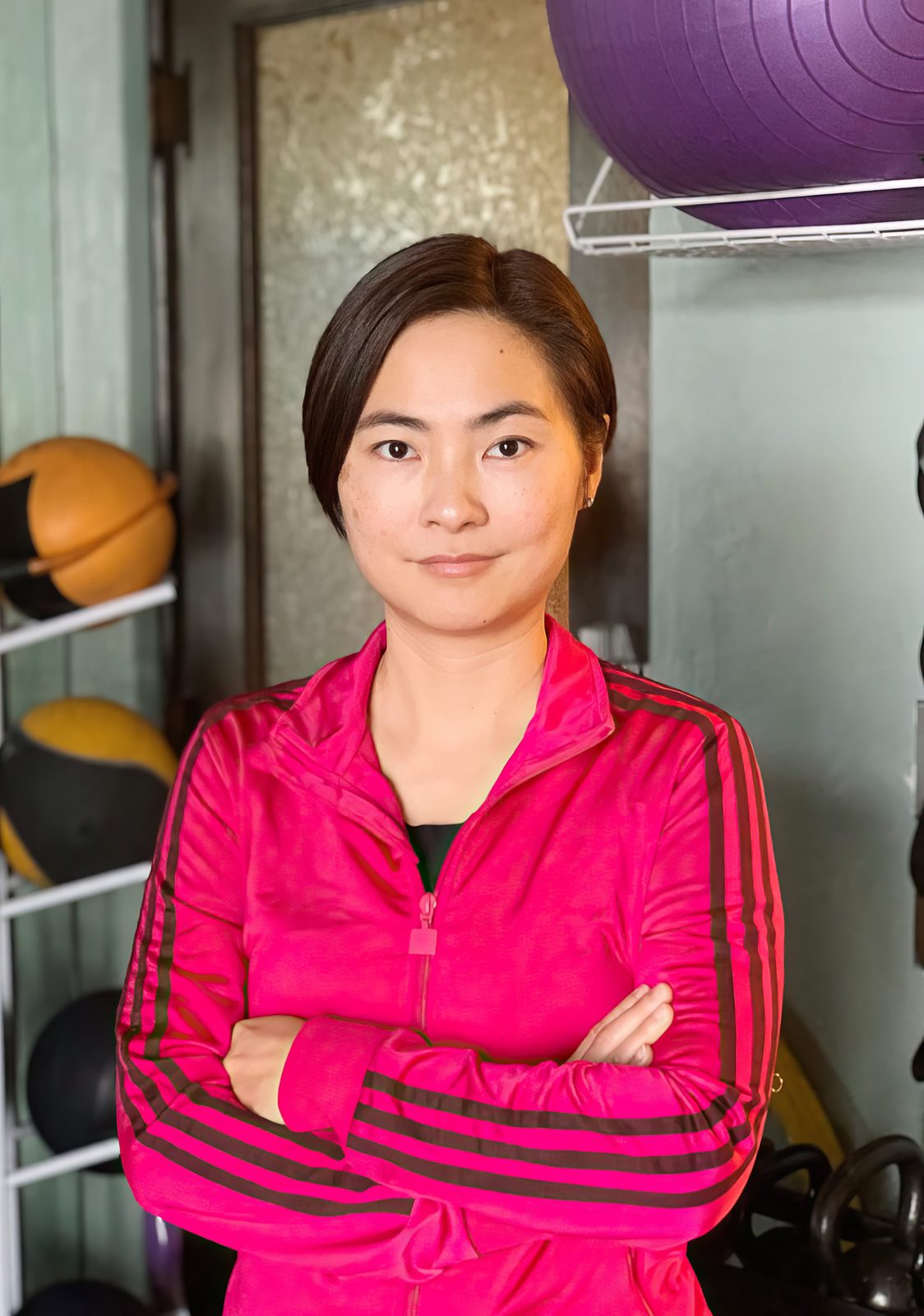
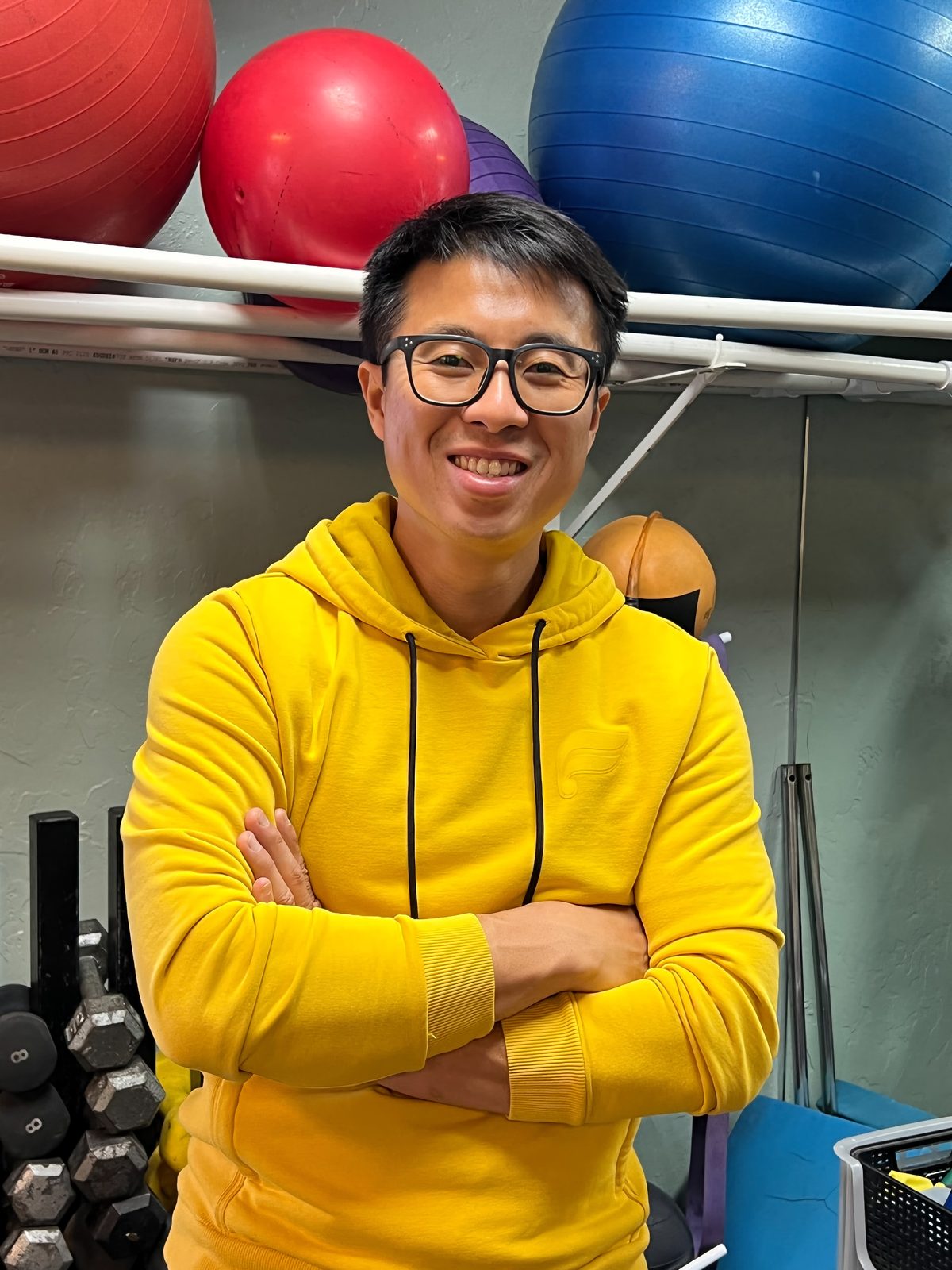
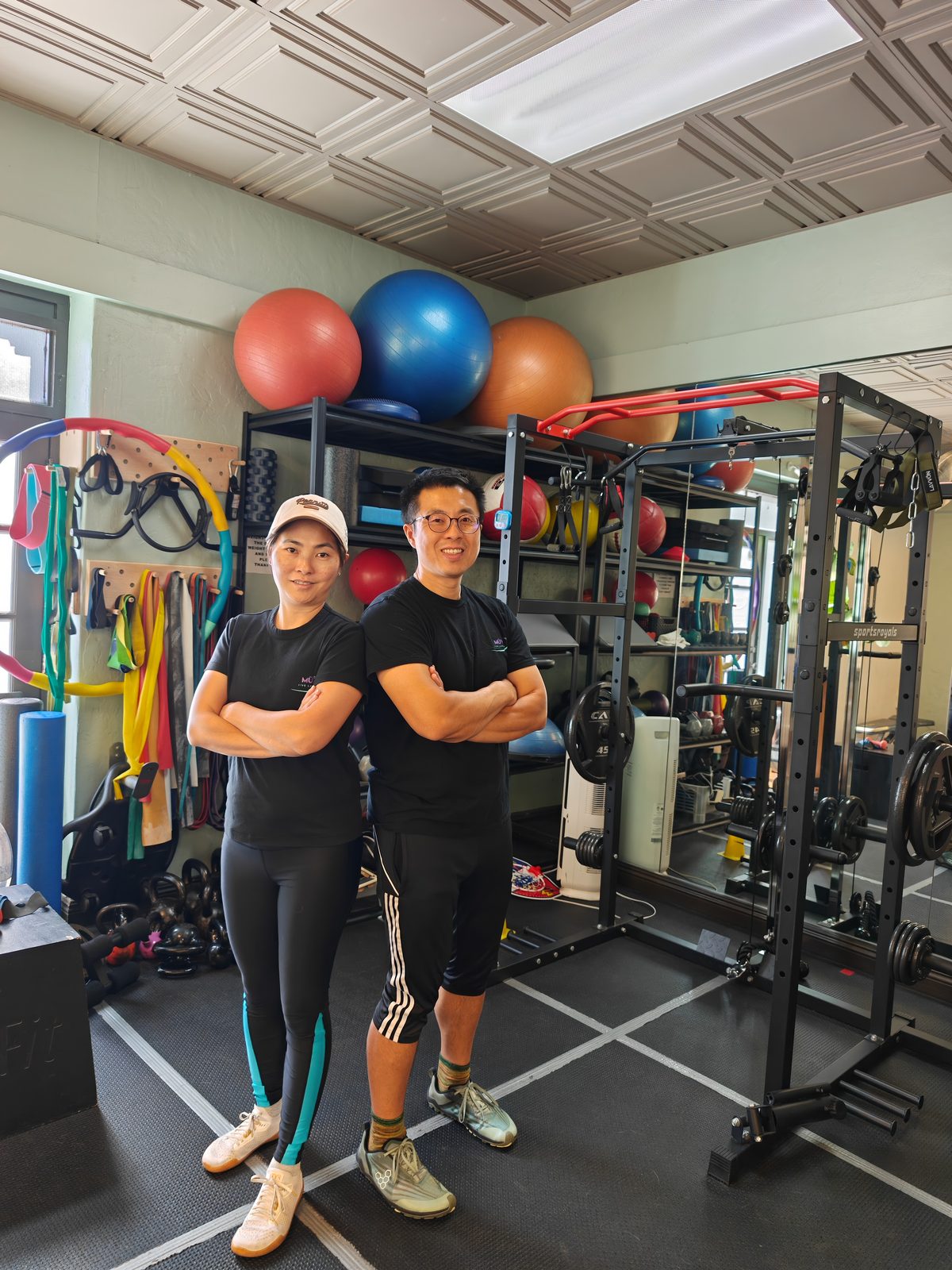
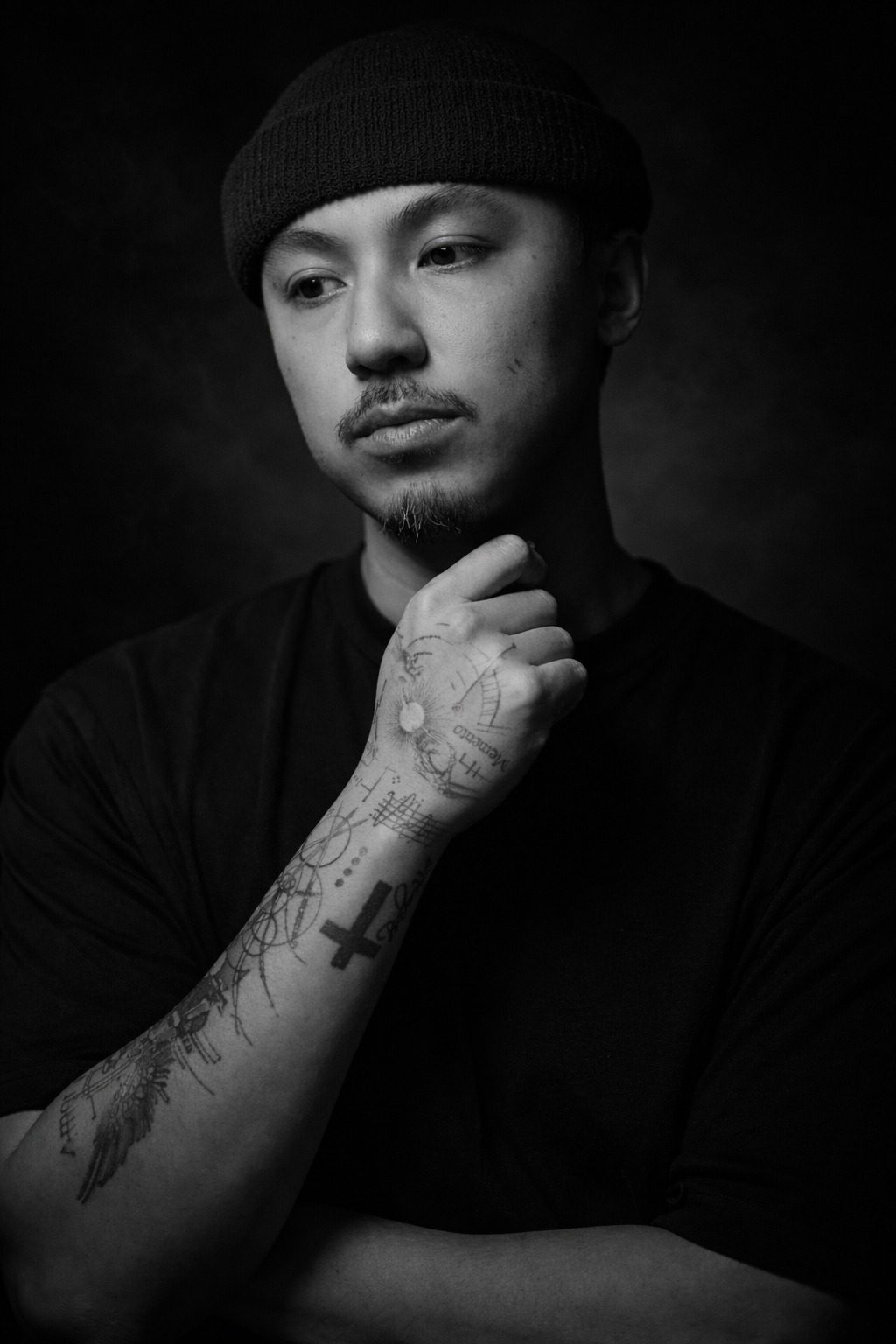
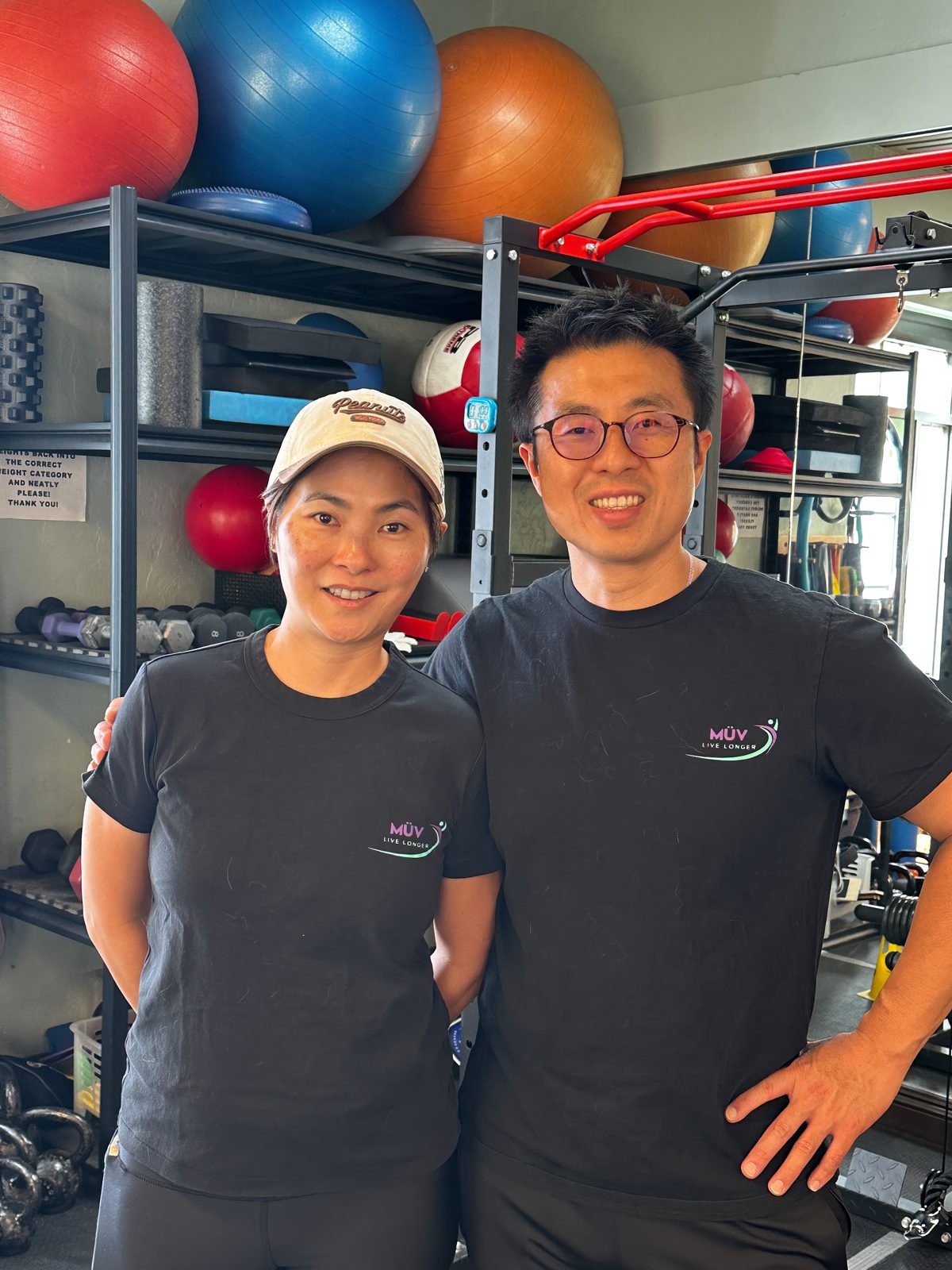
Toby Lau and Edwin Xu
It is never too late to begin. There will always be reasons to wait—lack of time, fear, discomfort, or uncertainty—but meaningful change starts with the willingness to step…
What makes MÜV different from a traditional gym or personal training studio?
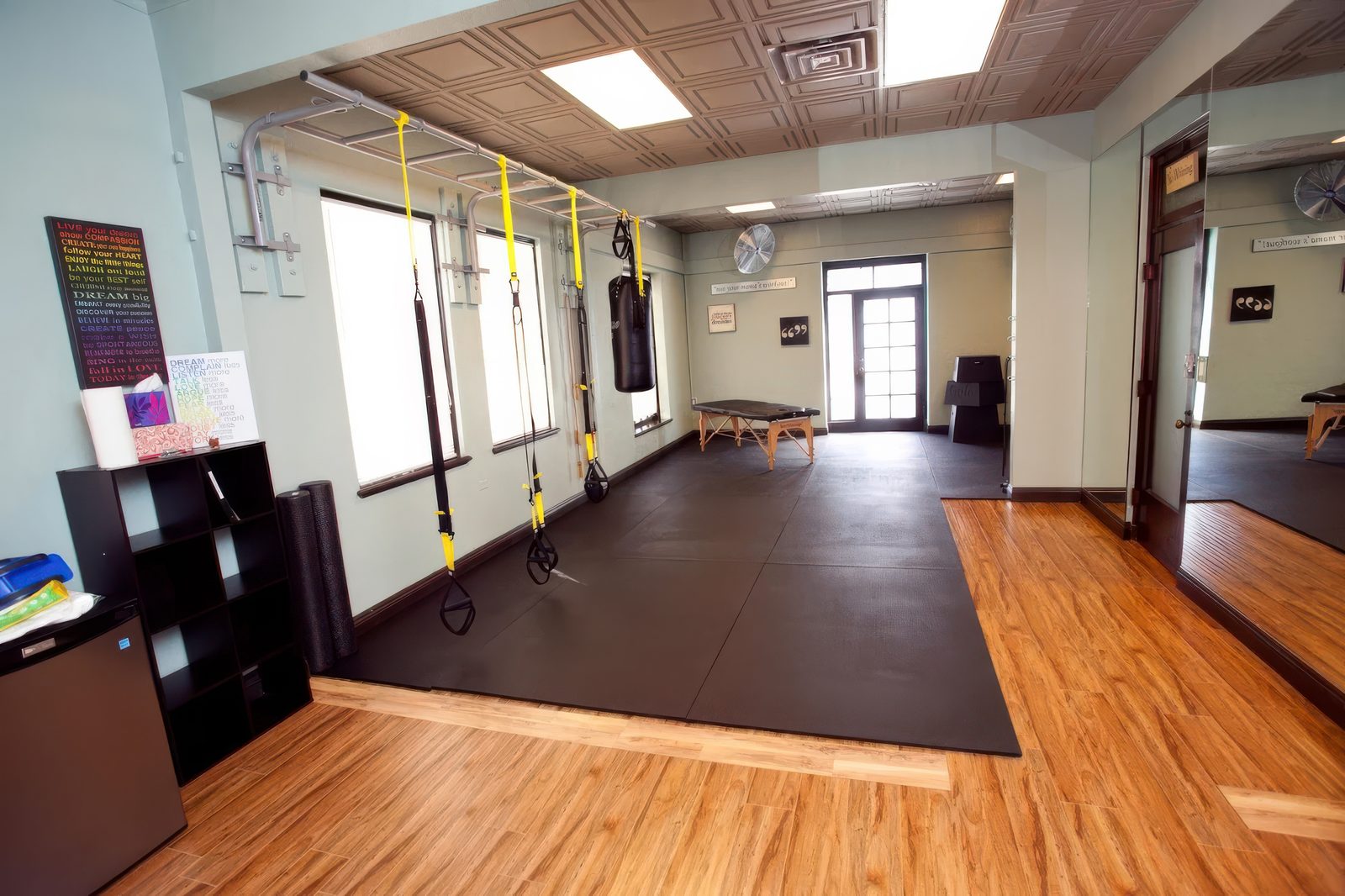
MÜV is different because we specialize in working with adults over 50. Unlike a traditional gym filled with large, intimidating machines, we provide a welcoming, boutique studio environment designed around purposeful movement. Our equipment includes a power rack for strength and power training, along with resistance bands, kettlebells, dumbbells, SURCLES, TRX suspension trainers, and other age-appropriate tools that help clients improve the strength, balance, mobility, posture and coordination needed for everyday life.
We also take a more thoughtful approach than many traditional personal training studios. We do not focus solely on what clients believe they want—we carefully assess and observe what their bodies need. Every potential client begins with a comprehensive fitness assessment so we can better understand their current abilities, movement patterns, limitations, and goals. This allows us to build a safe, personalized program that helps them move better, remain independent, and continue doing the things they enjoy.
Why was Arcadia the right community for your second location?
Arcadia felt like a natural choice for our second location because it is a close-knit, health-conscious community with many adults over 50 who want to remain active, independent, and engaged in their lives. We saw an opportunity to bring MÜV’s specialized, age-appropriate approach to a part of the San Gabriel Valley where these services are genuinely needed.
Another important factor was our connection to the local healthcare community. Several family medicine physicians who care for our existing clients are based in Arcadia. Having a location nearby creates a valuable connection between medical care and appropriate fitness support. When physicians believe a patient could benefit from professionally guided exercise, strength training, balance work, or improved mobility, MÜV can serve as a trusted local resource. This relationship benefits everyone: physicians have a specialized fitness option for their patients, clients receive more coordinated support, and we can establish ourselves in Arcadia through trust and community relationships rather than relying solely on heavy marketing.
Arcadia is also close enough to our original Pasadena location for us to maintain the same hands-on leadership, personal attention, and quality of service as we grow. It allows us to reach a new community without losing the values and personal relationships upon which MÜV was built.
What did the expansion from Pasadena to Arcadia mean for you and the business?
The expansion from Pasadena to Arcadia meant a great deal to me, both personally and professionally. MÜV was founded and built by my mentor, MJ Velasco. When I took over the business, I accepted the responsibility of continuing what MJ had created while finding ways to grow MÜV and bring its mission to more people. Opening the Arcadia location was an important milestone in that journey.
It was also a major step outside my comfort zone. I have always been closely involved with our clients, and it is not easy for me to delegate their training to someone else. I hold very high standards because training adults over 50 is serious work. Many of our clients have joint limitations, balance concerns, previous injuries, or health conditions that require careful observation and thoughtful exercise selection. Their safety, progress, and trust must always come first.
Expanding to Arcadia required me to place that trust in my partner, Edwin Xu, to oversee the location and work with clients individually. I trust Edwin to uphold the same professionalism, attention to detail, and genuine care that our clients expect from MÜV.
For the business, the expansion represents growth and the opportunity to serve more people. For me, it represents something deeper: honoring the foundation MJ established, learning to become a stronger leader, and trusting the right person to help me carry MÜV’s standards and values into its next chapter.
What are some of the most common physical challenges you see among adults as they get older?
The most common physical challenges we see in older adults are weakness, stiffness, and pain—and these problems are often connected. Over time, inactivity, repetitive movement habits, past injuries, and poor posture can cause certain muscles to become weak or underused. The body then compensates by relying too heavily on other muscles and joints.
These compensations can reduce mobility and create stiffness. When the body cannot move efficiently, everyday activities such as walking, climbing stairs, reaching overhead, or getting up from a chair may place extra stress on certain areas. Over time, that stress can contribute to discomfort and pain, which may cause a person to move even less. This can create a cycle: weakness contributes to stiffness, stiffness makes movement more difficult, and reduced movement can lead to greater weakness and pain.
Pain is complex and does not always come from weakness or posture alone, but the way people habitually use—or avoid using—their bodies can play an important role. Our goal is to identify these patterns and gradually improve strength, mobility, posture, balance, and movement confidence so clients can break that cycle and continue doing the activities that matter to them.
How does your team adapt exercise programs for clients with injuries, joint limitations, balance concerns, or chronic health conditions?
Because the majority of our clients are seniors, adapting exercise around injuries, joint limitations, balance concerns, and chronic health conditions is a central part of what we do. Our team has many years of experience working with older adults, and we understand that every client has a different health history, level of mobility, and physical ability.
Each client begins with a Functional Assessment so we can review their health history and evaluate their movement, balance, strength, mobility, and posture. From there, we create an individualized program based on what the client can safely do—not a standard routine based only on age. We can modify the exercise, range of motion, resistance, speed, body position, or level of support as needed. We also observe clients closely throughout every session and continually adjust the program according to how their bodies respond.
Our goal is never to push someone through pain or beyond their ability. It is to help each client make safe, meaningful progress while building the strength, balance, mobility, and confidence needed for everyday life. When appropriate, we also consider guidance from the client’s physician or physical therapist so their fitness program supports their overall care.
What services are available at MÜV’s Pasadena and Arcadia studios?
Both our Pasadena and Arcadia studios offer personal training, couple training, small-group training, facilitated stretching, and nutrition planning to support each client’s health and fitness goals.
Every new client begins with a Fitness Assessment so we can understand their health history, goals, movement, balance, strength, mobility, and posture. From there, we recommend the most appropriate service and develop a personalized plan. Whether someone prefers individual attention, wants to train with a partner, or enjoys the encouragement of a small group, our programs are designed to help adults over 50 improve their strength, mobility, balance, and overall quality of life.
Can you both share a memorable client success story that represents the impact of your work?
Toby: I have been working with clients for approximately 18 years, and I have witnessed many meaningful transformations—from clients who could not get down to the floor and stand back up, to clients who progressed from walking for only three minutes to walking for 30 minutes.
One client’s story will always stay with me. When I began working with her three and a half years ago, she arrived in a wheelchair. With time, consistent effort, and carefully adapted training, she progressed from using a wheelchair to a walker—and eventually to walking out of the studio independently. Her progress may sound almost too good to be true, but it came from her willingness to understand her body, improve her movement mechanics, and continue working even when the process was difficult.
As she gets older, she naturally continues to face physical challenges, but the confidence she developed in her own body has remained incredibly meaningful. Watching her rediscover what she was capable of reminded me that our work is about much more than exercise. It is about helping people regain independence, confidence, and a sense of possibility in their lives.
Edwin: One client who really stands out to us was a woman who came to MÜV because she wanted to help care for her new grandson. She had never exercised before and, although independent, was afraid of falling and struggled with basic movements like getting up from a low chair or getting down to the floor. Her goal was simple but meaningful: she wanted to be strong enough to pick up and carry her grandson, play with him on the floor, and feel confident taking care of him safely.
We started slowly, building her strength, balance, core control, and mobility. But more importantly, we trained for the life she wanted to live. We practiced the movements she would actually need as a grandmother—lifting, carrying, getting down to the floor and back up, and moving with control and confidence. Over time, she became stronger and much more comfortable with her body.
Then one day, she told us about something that happened while she was traveling. She was carrying a puppy she hoped to adopt when the puppy suddenly moved, her foot caught on something, and she tripped and fell. What surprised her was that she was able to control the fall while protecting the puppy in her arms. After making sure she wasn’t hurt, she got herself back up without assistance, still holding the puppy. She was amazed by what her body was able to do.
That story captures what success means to us at MÜV. It’s not just about how much weight someone can lift. It’s about having the strength, balance, confidence, and ability to handle real life—and being able to do the things that matter most to you. For her, it started with wanting to be there for her grandson. And along the way, she discovered that she was capable of much more than she had ever thought.
What misconceptions do people over 50 commonly have about strength training and exercise?
One of the biggest misconceptions among adults over 50 is that pain automatically means they should stop moving, avoid resistance training, and simply rest. Sometimes this comes from well-intentioned medical advice that is interpreted too broadly: “Don’t lift weights,” “Exercise will make it worse,” or “Just rest.” There are certainly situations—such as an acute injury, surgery, or a specific medical restriction—when rest and professional guidance are necessary. However, avoiding movement for too long can contribute to greater weakness, stiffness, loss of balance, and reduced confidence.
The body is designed to move. Appropriate movement helps circulate synovial fluid within the joints—similar to helping a machine stay lubricated—and strength training helps support the muscles, bones, and connective tissues around those joints. “Strength training” also does not mean that everyone must lift extremely heavy weights. The resistance should be appropriate for the individual and increased gradually as their strength and confidence improve.
The goal is not to push through pain or ignore medical advice. It is to find safe ways to keep the body moving. With proper assessment, modifications, and progression, exercise can often help older adults move more comfortably, remain independent, and continue doing the activities they enjoy.
What advice would you give someone who wants to become more active but feels intimidated or believes it may be too late to begin?
It is never too late to begin. There will always be reasons to wait—lack of time, fear, discomfort, or uncertainty—but meaningful change starts with the willingness to step outside your comfort zone and take one small step forward.
You do not need to be fit before you begin, and you do not have to change everything at once. Start at a level that feels safe and manageable, then build gradually with consistency. Even small improvements in strength, balance, and mobility can make a meaningful difference in everyday life.
The most important thing is to remain open to change and give yourself the opportunity to try. Your age does not determine what is possible; your willingness to begin does.
What do you hope MÜV will contribute to the Pasadena and Arcadia communities?
I hope MÜV can become more than a place to exercise for the senior communities in Pasadena and Arcadia. I want it to be a welcoming space where older adults can improve their health, build confidence, make new friends, and feel supported by people who understand their needs.
Social connection and encouragement are just as important as physical activity. Through our training and small-group programs, we hope clients can motivate one another, enjoy moving again, and rediscover a sense of energy and youthfulness.
Ultimately, I want seniors in our communities to know that there is a place for them—a place where they can become stronger, remain independent, build meaningful relationships, and continue living life with confidence and purpose.
What is your long-term vision for MÜV – Live Longer?
My long-term vision for MÜV – Live Longer is to educate and mentor the next generation of fitness professionals to work effectively with older adults. Training seniors requires more than exercise knowledge—it requires patience, careful observation, adaptability, professionalism, and a genuine understanding of the responsibility involved. I hope to pass that experience on to younger trainers and help them develop the right mindset and skills to serve this population safely and respectfully.
Eventually, I would like to expand MÜV into additional communities under the same concept and brand. The goal is not simply to open more studios, but to create more trusted spaces where adults over 50 can receive high-quality training, build meaningful relationships, and remain strong, active, and independent throughout their lives.
Where can our readers learn more about MÜV?
muv.life