Founder Interview
Sureeporn Sompamitwong
My advice is simple: Just start.
Tell our readers a bit about yourself: where you're from and where you live now.
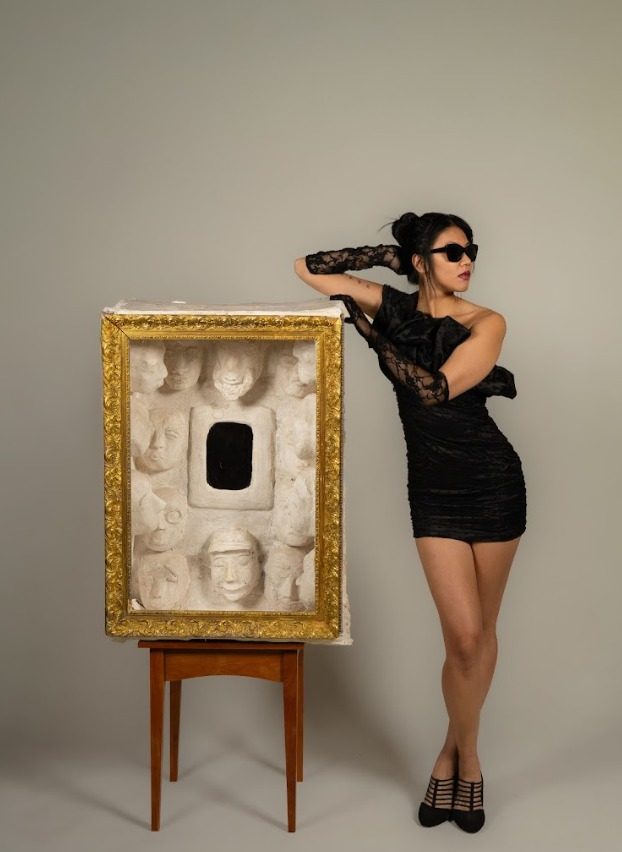
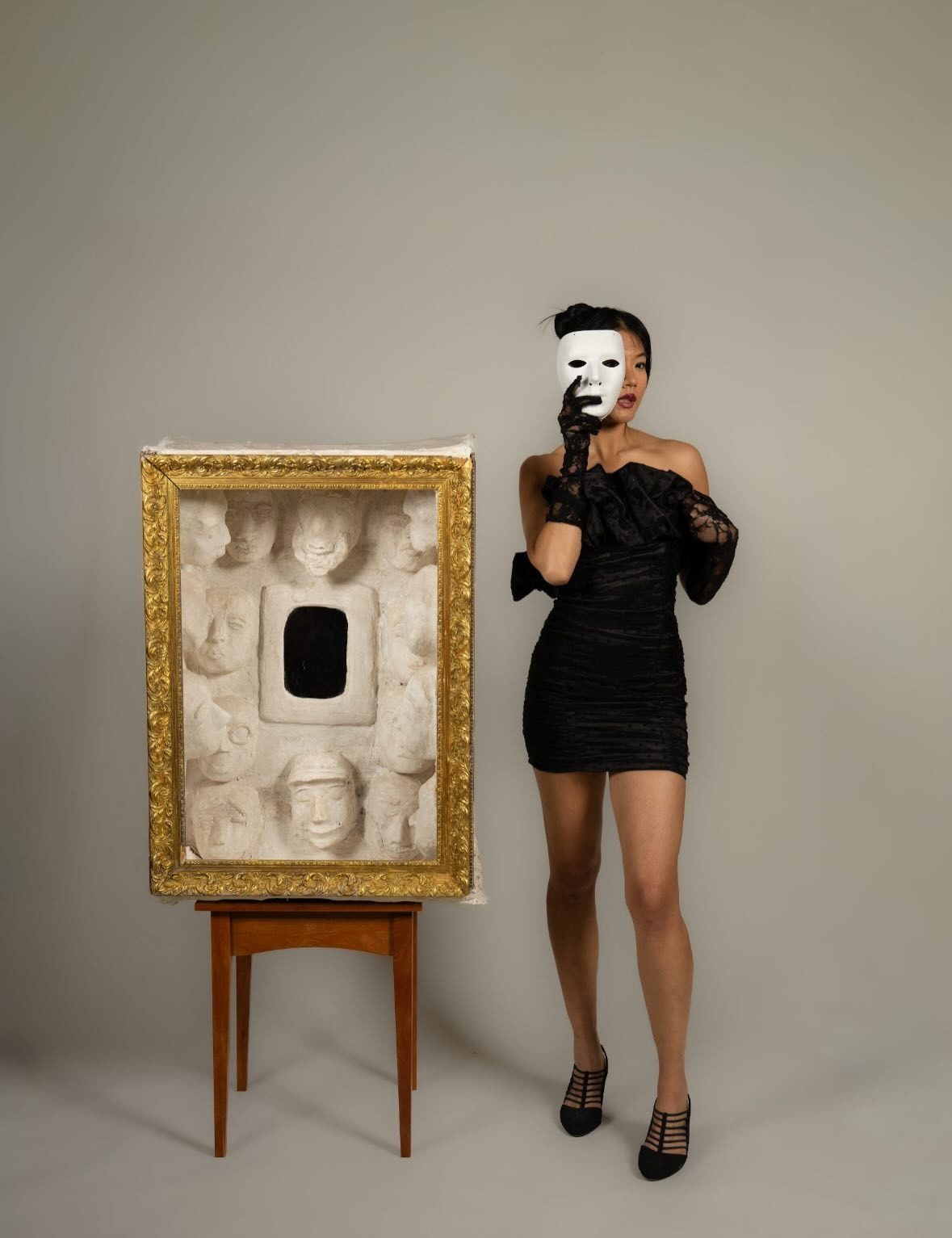
My name is Sureeporn Sompamitwong, and I go by Suree for short (pronounced Sur-Ree). I am a Thai multidisciplinary artist, author, and nonprofit founder of Creative Healing Space, Inc., as well as the founder of my creative business, Art of Being LLC.
I was born in Thailand and raised in the United States. I currently live in Worthington, Minnesota, where I continue to explore my passion for art, storytelling, and helping others heal through creative expression.
What is your memoir called, and what is it about?
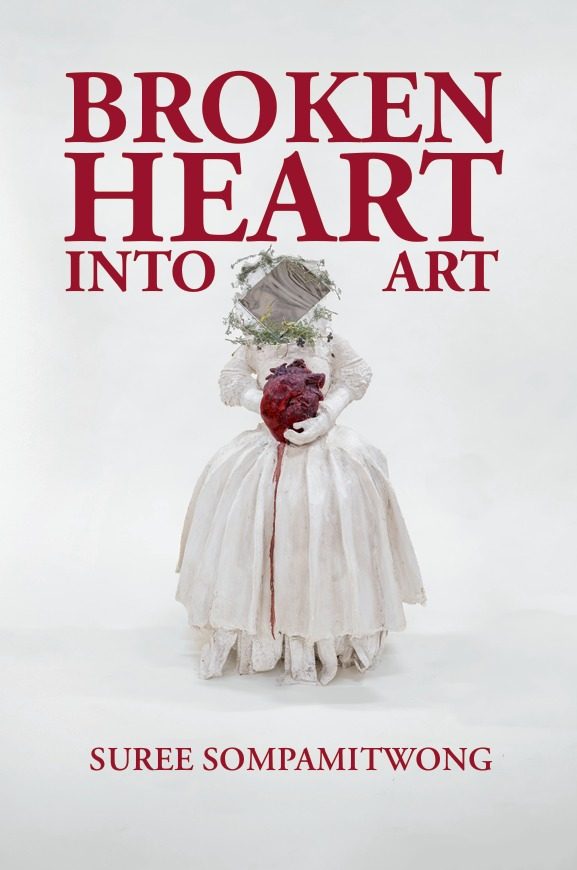
My memoir is called Broken Heart into Art. It is a raw and deeply personal story about survival, mental health, identity, and the healing power of creativity.
Born in Thailand and raised in the United States, I grew up navigating cultural displacement, poverty, and feelings of abandonment. As I pursued my childhood dream of working in the fashion industry in Los Angeles, years of unprocessed trauma and relentless pressure eventually culminated in a manic psychotic break and hospitalization.
What followed was not a story of quick recovery, but a journey of nonlinear healing. After being diagnosed with bipolar disorder, I had to confront stigma, grief, and the loss of an identity I had built around achievement and success.
Through art, poetry, and movement, I began learning how to transform my pain rather than erase it. My memoir includes photographs of my original artwork, poetry, and personal reflections, showing how creativity became both my refuge and a way to reclaim my voice.
Out of that transformation, I founded Creative Healing Space, a nonprofit dedicated to making art-based healing accessible to others.
What made you decide it was time to tell your story?
I have always been a writer. I journal weekly, and I have kept all my journals since I was seven years old. In fact, my very first journal was written in Thai!
I had always dreamed of publishing a book, but I didn't know where to begin. From 2024 to 2026, I was part of the Initiator Fellowship, where I learned that one of my fellow participants, Dawn, had co-published a book. Naturally, I was curious, so I asked her who her publisher was.
She generously connected me with Teena Clipstone of Clipstone Publishing, a publishing company based in Canada.
I reached out to Teena and received a quote for her publishing services. Unfortunately, I couldn't afford it at the time. But instead of giving up on the idea, I started researching funding opportunities and eventually found a grant that I could apply for to support the publishing process.
I wrote the grant, secured the funding, and was finally able to turn a lifelong dream into reality.
Looking back, I believe that sometimes the right opportunities come into our lives through the people we meet. But we also have to be willing to ask questions, seek resources, and take action when those opportunities arise.
What was the hardest part of the journey to write about, and how did you push through it?
The hardest part was writing about my mental breakdown while I was working in the fashion industry in Los Angeles.
Reliving the breakdown itself was painful, but what made it even harder was revisiting the loss of my dreams. Fashion had been part of my identity since I was eight years old. I had built so much meaning, purpose, and self-worth around that dream. So, when everything came crashing down, it felt like I had lost not only my career but also a part of myself.
What helped me push through was knowing that my story could help others gain a better understanding of what it is like to experience psychosis.
I wanted readers to understand that when someone is experiencing psychosis, their reality can feel completely real to them. Even if others cannot understand what they are seeing, hearing, or believing, to the person experiencing it, that is their reality in that moment.
I wanted to advocate for compassion and understanding. Because even when someone is experiencing a mental health crisis, they still deserve to be treated with kindness, dignity, and respect.
If sharing my experience can help even one person approach someone struggling with mental illness with more empathy, then revisiting those painful memories was worth it.
What did the writing process look like for you, from the first page to publication?
Since I have been journaling and telling stories through writing for most of my life, the writing process came naturally to me.
Once I started, it was almost like a surge of emotions, memories, and stories pouring out of me. I didn't have to force myself to find the words. I just allowed myself to write from the heart.
I spent about six months writing the first draft of my memoir. After that, I spent much of the following year editing, revising, and refining the manuscript to prepare it for publication.
The writing itself felt freeing, but the editing process required patience. I had to revisit memories, reflect on how I wanted to tell certain experiences, and make sure the story truly represented my voice.
It was a process of not only writing my story but also rediscovering myself through the pages.
Is there a moment or chapter in the book that means the most to you? Why?
The chapter that means the most to me is Chapter 9, Turning My Pain into Purpose.
I don't like to believe that I went through all that pain in vain. Instead, I try to find deeper meaning and purpose behind my experiences so that I can feel empowered to transform those lessons into something that can help others.
That mindset is what led me to discover the healing power of creative expression.
Through my journey, I began transforming my emotions and experiences into sculptures, paintings, poetry, and dance performances. Art became a way for me to process what I couldn't always explain through words.
Eventually, that same philosophy inspired me to establish my nonprofit, Creative Healing Space, where we provide opportunities for others to explore creativity as a tool for healing, self-expression, and connection.
Chapter 9 represents a turning point in my life. It reminds me that although we cannot always control what happens to us, we can choose how we respond, what we learn, and what we create from those experiences.
Who do you hope reads your memoir, and what do you hope they take away from it?
I hope my memoir reaches people who want to gain a deeper understanding of mental illness and the experiences of those struggling with their mental health.
I also hope it reaches people who are navigating their own mental health challenges, rebuilding their lives, or searching for an outlet to express themselves.
One of the most important messages I want readers to take away is that healing is not linear.
There will be moments when we feel like we're moving forward, and other moments when we feel like we've fallen off the path again. But that doesn't mean we've failed.
I want readers to know that it's never too late to make choices that support their healing, no matter how many times they may have stumbled along the way.
I also hope my story encourages people to explore creativity, whether that's through writing, painting, dancing, music, or any other form of self-expression.
Sometimes, the very thing that helps us reconnect with ourselves is something we create with our own hands.
How has writing and sharing your story changed you?
Writing and sharing my story has been a process of emotional growth, self-awareness, and learning to give myself grace.
One chapter I continue to revisit is Chapter 7, The Night My Soul Begged to Be Seen. It recounts one of the most painful experiences of my life, when I experienced psychosis and was hospitalized.
I have reread that chapter more than ten times, and it still brings me to tears.
At first, I felt guilty and questioned why those memories still affected me so deeply, especially after nearly nine years.
What advice would you give someone who wants to write about their own life?
My advice is simple: Just start.
Be yourself, and know that your story matters. Who you are, what you've experienced, and the lessons you've learned along the way are worth sharing.
Don't allow other people's opinions to determine whether your story deserves to be told. Because no matter what you do in life, someone will always have their two cents to share.
What matters most is that you believe in yourself and the value of your own experiences.
I've learned that we have to become our own biggest cheerleaders. We cannot always wait for someone else to believe in us, validate our dreams, or come save us.
Sometimes, we have to be the ones who take that first step, put ourselves out there, and create the opportunities we've been waiting for.
And remember, you don't have to have everything figured out before you begin. Sometimes, the clarity comes through the process of writing.
What's next for you after the memoir?
Right now, one of my biggest priorities is continuing to build a strong and sustainable foundation for my nonprofit, Creative Healing Space.
My long-term goal is to eventually transition out of my job as a preschool teacher so I can dedicate myself fully to growing the organization and expanding our creative healing mission.
Creative Healing Space was built from purpose and heart, and that's where I feel deeply called to be.
But I also want to continue exploring all the different parts of myself as a creative person.
Just because I left the fashion industry doesn't mean the fashionista has left me!
I still dream of reigniting my clothing line, Art Invasionz, which I originally created to promote art with a message through fashion.
I also hope to organize traveling exhibitions featuring my paintings and life-size sculptures, pursue more public speaking opportunities, and continue advocating for creativity as a powerful tool for healing.
And one of my biggest dreams? I would love to pitch Broken Heart into Art to Netflix and see my memoir adapted into a television series someday.
I believe there are still so many stories to tell, so many creative possibilities to explore, and so many ways to help others through art.
Any shoutouts you want to make?
I want to give a huge shoutout to Dawn Finn for connecting me with Teena Clipstone of Clipstone Publishing.
Dawn could have easily kept that information to herself, but instead, she chose to share a resource that helped me turn one of my dreams into reality.
That experience reminded me of something I've been learning throughout my journey: When we know better, we do better. And when we have the opportunity to help others, we should.
I want aspiring authors, artists, and creatives to know that there are resources, grants, and people out there who can help support your dreams.
But sometimes, you have to be willing to put yourself out there, ask questions, do the research, and apply for those opportunities.
You never know which connection or opportunity might open the next door for you.
Where can our readers get your book and follow you?
You can find my memoir, Broken Heart into Art, on Amazon!
The paperback edition features black-and-white photographs of my artwork, while the hardcover edition includes full-color photographs.
You can also follow my creative journey on Instagram at @SincerelySuree or visit my website at www.sincerelysuree.com, where I've been sharing my poetry, spoken-word pieces, personal reflections, and blog posts since 2014.
I hope my story inspires others to embrace their creativity, honor their experiences, and discover the power of turning pain into art.