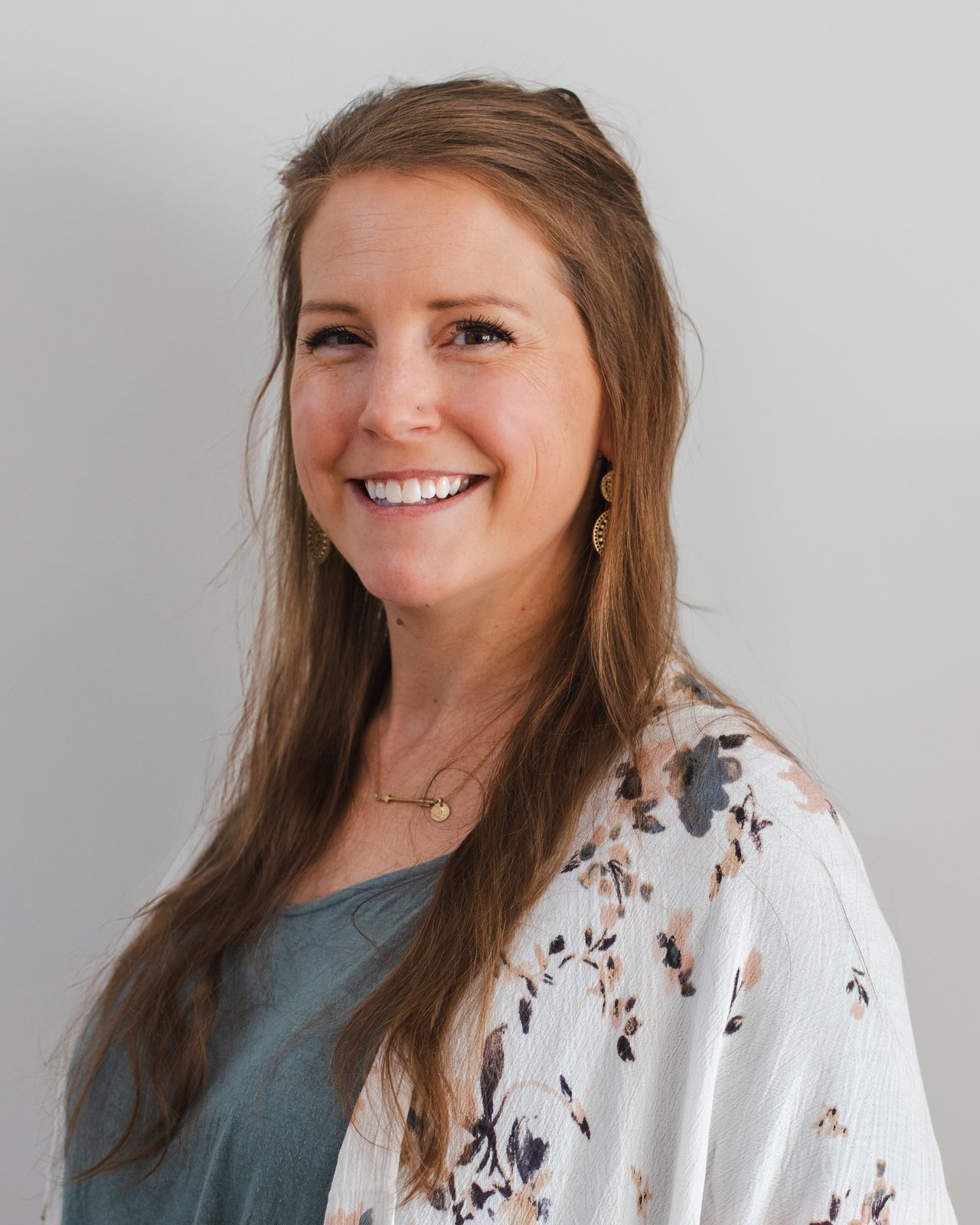
Founder Interview
Eric Hagemann
Be thoughtful about what you offer. Always be clear on what differentiates your products and services from your competitors. People engage with you because they need your product…
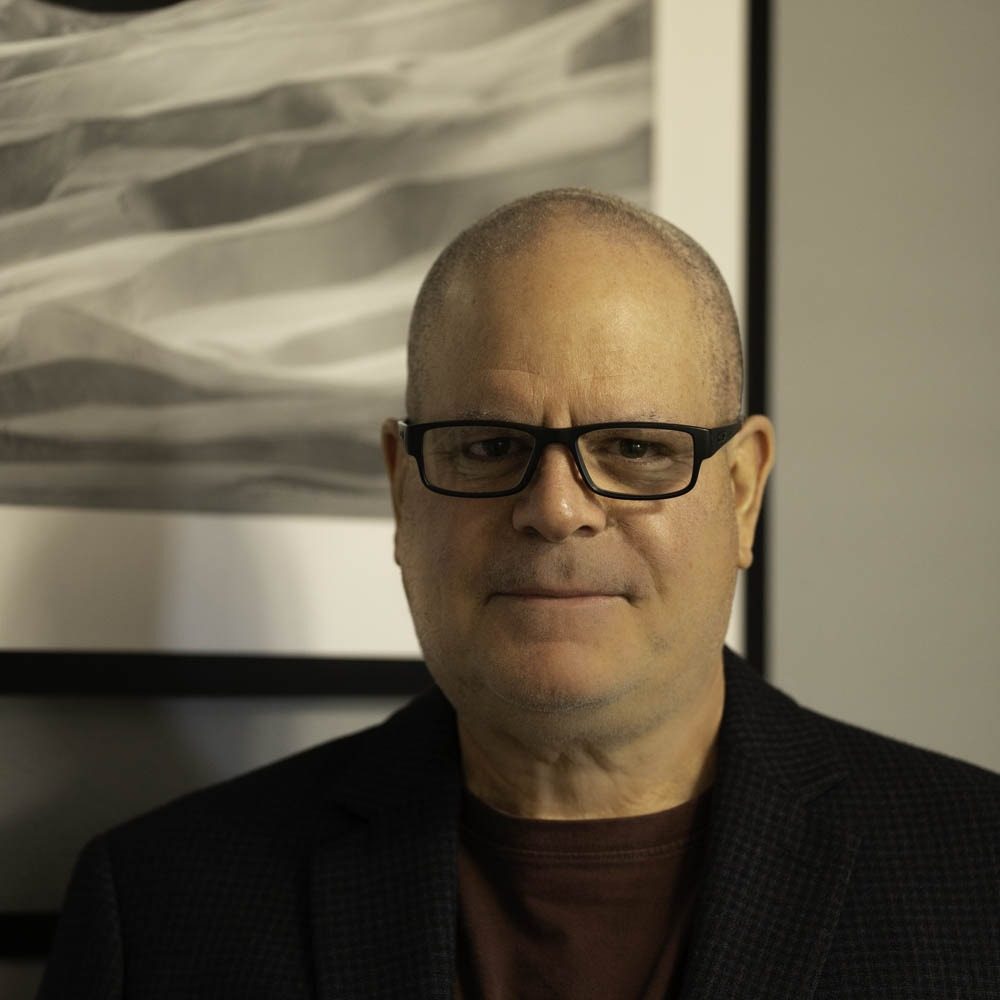
So nice to meet you! First off, what’s your name? Tell our readers a bit about yourself—where you’re from originally and where you live now.
My professional life has followed two seemingly different paths: engineering and fine art photography. Yet I have come to recognize that both are rooted in the same fundamental principles—creativity, problem-solving, experimentation, and the desire to transform an idea into something meaningful.
Trained as an engineer, I spent 37 years in public service, concentrating on capability development and corporate business processes. Teaching became a natural extension of that work. For ten years, I lectured at the Whiting School of Engineering at Johns Hopkins University, helping practicing engineers expand their knowledge, strengthen their technical skills, and approach complex challenges with greater confidence.
I grew up in Laguna Beach, California, a community with a rich artistic heritage. My mother was an artist, and my father was an amateur photographer, so an appreciation for the visual arts was part of my life from an early age. I developed a passion for photography while growing up and continued pursuing it alongside my engineering career. Today, I reside in the Denver metropolitan area, where photography has become my full-time creative focus.
Over the years, my understanding of photography has evolved considerably. What began as an interest in capturing images gradually became a deeper exploration of photography as a form of personal expression. I believe there is an important distinction between recording what something looks like and creating a photograph that communicates how we experience it.
We all inhabit the same physical world, but each of us sees and interprets it differently. Our perceptions are shaped by our experiences, memories, emotions, and individual ways of observing the world. For me, fine art photography is about translating that personal interpretation into an image that communicates something beyond the literal scene.
My work increasingly concentrates on fine art black-and-white photography, particularly landscapes and architecture. Removing color allows me to emphasize light, form, texture, structure, and atmosphere. It also provides greater freedom to interpret a subject rather than simply reproduce its appearance. I am less interested in documenting precisely what was in front of my camera than in creating an image that expresses what I saw and felt.
That philosophy extends directly into my approach to post-processing. I view image editing not simply as a means of correcting technical imperfections, but as an essential part of the photographic creative process. The decisions made after pressing the shutter can be just as important as those made before it. Through careful adjustments to tonal relationships, contrast, luminosity, and other visual elements, a photographer can shape an image to communicate a particular vision.
Teaching has become an equally important part of my photographic life. My engineering background taught me the value of making complicated subjects understandable, and I bring that same approach to photography education. Modern image-processing applications are extraordinarily powerful, but their sophistication can create a steep learning curve. My goal is to help photographers move beyond simply learning which buttons to press and develop a deeper understanding of how editing techniques influence the final image.
I place particular emphasis on human-directed editing techniques that give photographers deliberate control over their work. As generative artificial intelligence becomes increasingly integrated into photographic software, I believe it is especially important for photographers to understand the distinction between using technology to execute their creative decisions and relying on technology to generate visual content.
My interest is not in rejecting technological progress. Photography has always evolved alongside technology. Rather, I want photographers to recognize the creative possibilities available through traditional and modern non-generative editing tools, and to develop the knowledge and confidence to make their own artistic decisions.
Ultimately, whether I am creating photographs or teaching others, my objective is the same: to encourage a more thoughtful and intentional approach to photography. Technical proficiency is important, but it is a means to an end. The real accomplishment is developing the ability to create images that express a personal vision—photographs that communicate not simply what the world looks like, but how the photographer sees it.
Tell us one thing you love about where you live now.
Location. Denver provides a great hub to explore the Mountain West, from the High Plains to the rugged Rocky Mountains. I see Denver as both a large city and a small town. It's big enough to provide all that you need, with great food and entertainment, but with a friendly small-town atmosphere. The art community is both diverse and welcoming.
Tell us a little more about what your company does and how it started. How does it help your customers?
My photography business brings together two lifelong passions: creating fine art photographs and helping others develop their creative and technical skills. Based in the Denver metropolitan area, my work focuses on fine art black-and-white photography, particularly landscapes and architecture, along with photography education through workshops, webinars, presentations, and individual mentoring.
The business grew naturally from my lifelong interest in photography and my professional background in engineering and education.
My educational programs focus primarily on photographic post-processing, helping photographers develop the skills and creative control to transform a camera-captured image into a photograph that expresses their personal vision. I emphasize that post-processing is not simply about correcting exposure, adjusting colors, or removing distractions. It is an integral part of the creative process, where decisions about light, contrast, tonal relationships, and visual emphasis help communicate what the photographer wants the viewer to experience.
One of the greatest challenges facing photographers today is the increasing complexity of image-editing software. Applications such as Adobe Photoshop, Lightroom, and Affinity offer extraordinary creative capabilities, but learning to use them effectively can be intimidating. My approach is to break down that complexity, explain the principles behind the tools, and help photographers understand not just how to make an adjustment, but why they might choose to make it.
An increasingly important part of my teaching is helping photographers understand the distinction between traditional image-processing techniques, non-generative artificial intelligence, and generative AI. While generative AI can create or replace image content, I focus on techniques that let photographers retain direct creative control over their work. I believe photographers benefit from understanding how to shape an image through their own decisions rather than becoming dependent on software to make those decisions for them.
Ultimately, the value I offer my students goes beyond learning software. I want to help them become more confident, independent, and intentional photographers. My greatest satisfaction comes when someone moves beyond asking, "How do I use this tool?" and begins asking, "How can I use this tool to communicate what I see?"
That transition—from technical proficiency to personal expression—is at the heart of my photography education business.
If someone wants to start a business, what advice would you give them?
Be thoughtful about what you offer. Always be clear on what differentiates your products and services from your competitors. People engage with you because they need your product or service; being clear about what separates you from the competition lets you focus on what makes you unique. That uniqueness is your value.
What is one piece of feedback from a happy customer or client that you won't forget?
My reward is helping others achieve their goals. I don't have a single memorable experience, but seeing students create increasingly meaningful work is exciting.
Where do you see your company in the future?
I plan to keep my offering niche, focused on building a community for folks who want to devote the time to fully develop their skills. The rise in AI, especially in post-processing software, challenges human creativity. AI can be very useful to reduce drudgery, but maintaining the human creative element is critical.
What is the biggest misconception about your industry?
That photography is simple. Smartphones and increasingly capable editing applications have reduced the barrier to creating images, but neither replaces human skill, insight, or experience. I once had a client who didn't want to pay fair market value for an image. He told me, "How hard can this be?" and went to take the same image with his smartphone. He returned later to purchase the image at the asking price.
Where can our readers learn more about you and your company?
My fine art work is at www.erichagemannfineart.com and my teaching at www.solsticephoto.com.